
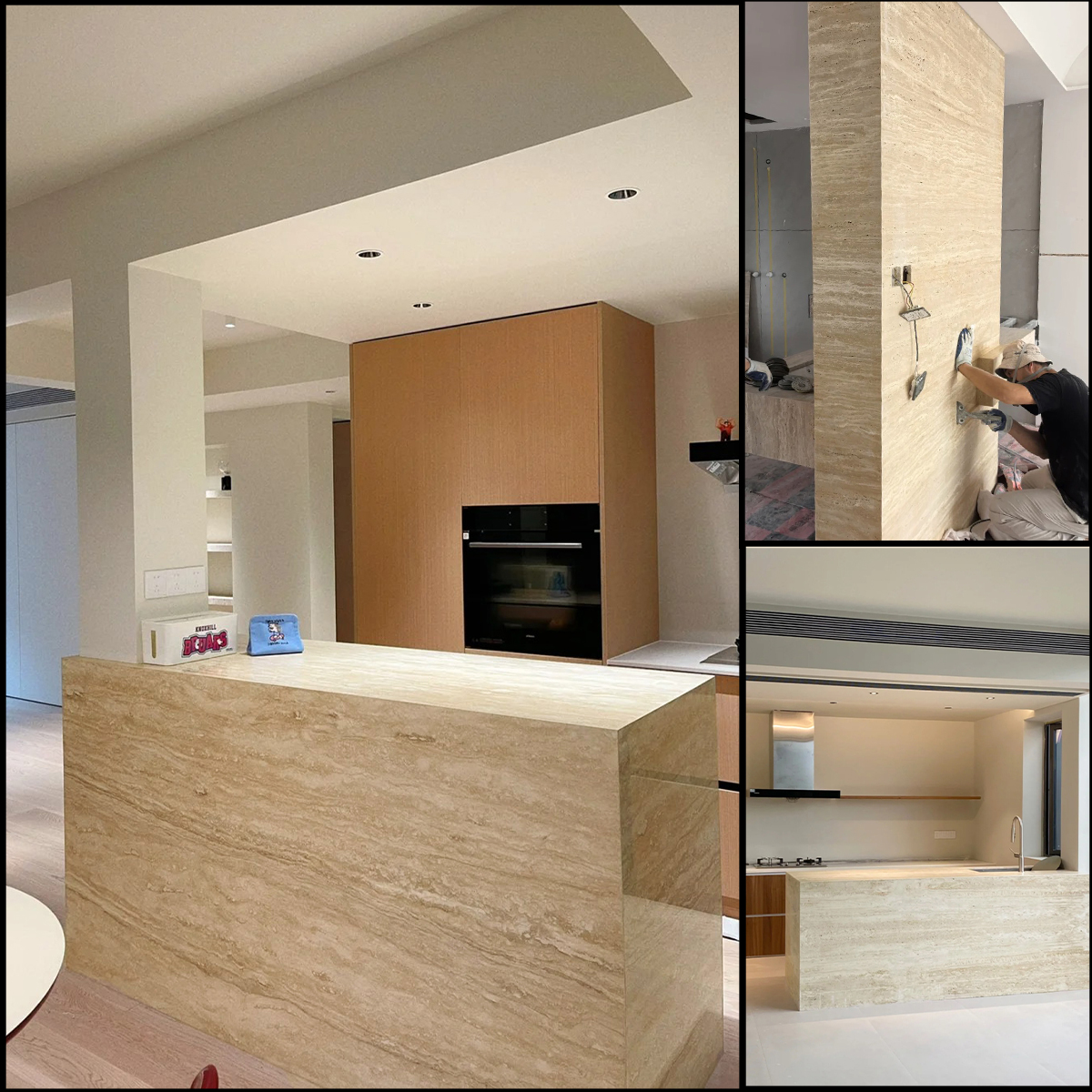
When designing a luxury bathroom, the bathtub serves as both a functional centerpiece and a design statement. A cultured marble bathtub combines the timeless elegance of natural marble with modern engineering to deliver durability, customization, and value. Unlike traditional natural stone or basic acrylic alternatives, cultured marble offers seamless beauty without the hefty price tag or maintenance demands of quarried marble.
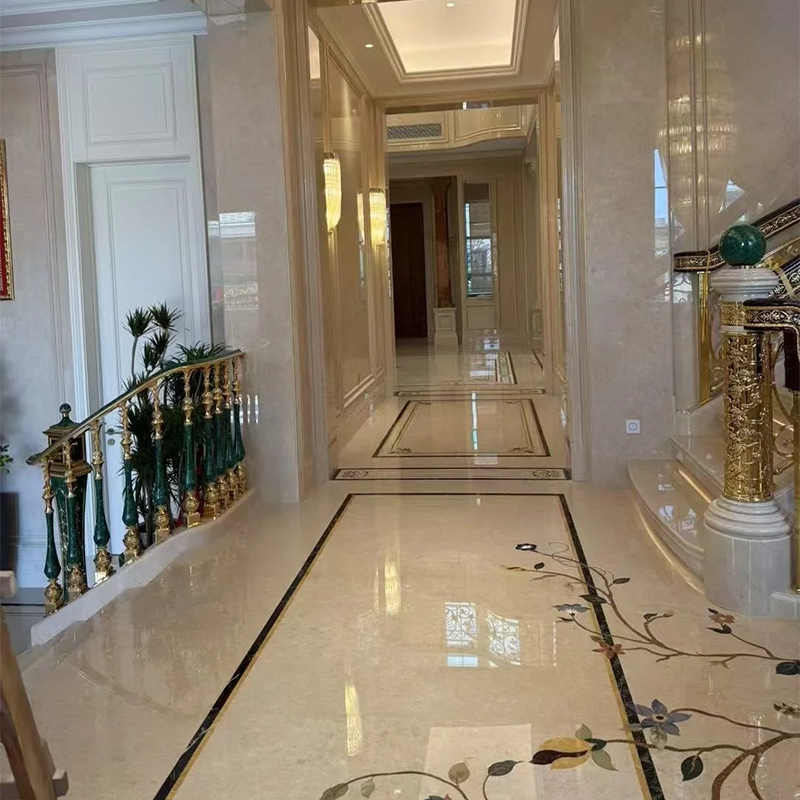
This comprehensive guide explores everything architects, interior designers, and discerning homeowners need to know about cultured marble bathtubs. From understanding the material composition and manufacturing process to navigating cost considerations and installation requirements, you'll gain practical insights for selecting and implementing this premium bathtub solution. Whether you're renovating a residential master suite or specifying materials for a high-end hospitality project, cultured marble presents compelling advantages over conventional materials.
We'll examine how cultured marble compares to acrylic, fiberglass, and natural stone options, detail the step-by-step installation process, and provide maintenance guidelines to ensure your investment delivers decades of performance. By the end of this guide, you'll understand why cultured marble bathtubs have become a preferred choice for luxury bathroom projects seeking the perfect balance of aesthetics, durability, and value.
What Is a Cultured Marble Bathtub?
A cultured marble bathtub is an engineered stone product manufactured by combining crushed natural marble particles with high-quality polyester resin, then finishing with a protective gel coat. This manufacturing process creates a solid, non-porous surface that mimics the appearance of natural marble while offering enhanced durability and design flexibility. The gel coat provides a glossy, smooth finish that resists staining and simplifies maintenance.
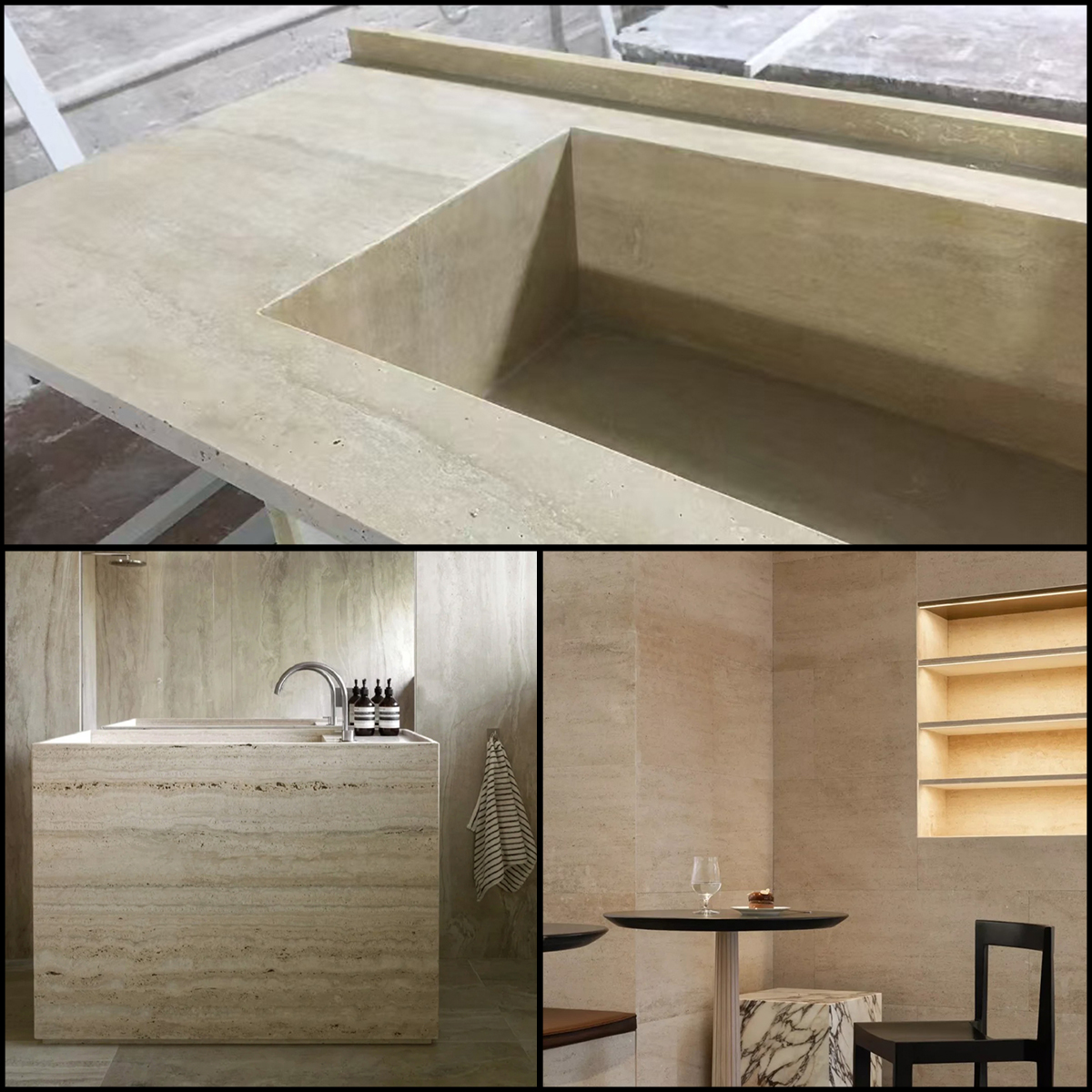
The manufacturing process differs significantly from quarrying natural marble slabs. Manufacturers blend finely ground marble dust with specialized resins and pigments, then cast the mixture into mold forms shaped as bathtubs. This controlled production allows for consistent quality, custom sizing, and pattern variations that would be impossible with natural stone. The result is a bathtub that captures marble's luxurious aesthetic without the weight, porosity, or installation challenges of solid stone.
Compared to artificial marble slabs used for countertops and wall cladding, bathtub-grade cultured marble features thicker construction and reinforced structural integrity to support water weight and bather loads. While both products fall under the engineered marble category, bathtubs require specialized manufacturing techniques to ensure proper drainage slopes, comfortable ergonomics, and long-term structural performance. Understanding what is artificial marble helps contextualize how these engineered materials differ from natural stone.
Design options for cultured marble bathtubs include freestanding soaking tubs, alcove installations, corner configurations, and custom shapes tailored to specific bathroom layouts. Pattern choices range from classic white Carrara-inspired veining to bold contemporary colors, including customized light brown artificial marble and customized dark brown artificial marble finishes that coordinate with surrounding décor. This customization capability makes cultured marble particularly valuable for architects and designers creating cohesive luxury bathroom environments.
Key Benefits for Bathroom Projects
The seamless, non-porous surface of a cultured marble bathtub provides significant hygienic advantages over traditional tile installations. Without grout lines or seams, water cannot penetrate beneath the surface, eliminating the primary breeding ground for mold, mildew, and bacteria. This characteristic makes cultured marble ideal for humid bathroom environments and reduces long-term maintenance requirements compared to grouted tile surrounds.
Superior heat retention ranks among the most appreciated functional benefits. The dense composition of crushed marble and resin retains bath water temperature significantly longer than acrylic or fiberglass alternatives. Homeowners can enjoy extended soaking sessions without repeatedly adding hot water, creating a more relaxing and spa-like experience. This thermal performance particularly appeals to luxury residential clients who prioritize comfort and wellness features.
From a design perspective, cultured marble delivers the luxurious marble aesthetic at a fraction of natural stone costs. While a natural marble bathtub might cost $8,000-$15,000 or more, cultured marble provides similar visual impact for $1,700-$2,500 in material costs. This price advantage allows designers to specify premium finishes within budget constraints, allocating savings toward other high-impact elements like fixtures, lighting, or complementary discount artificial stone slabs for coordinating surfaces.
Customization capabilities extend beyond basic sizing to include integrated features like armrests, headrests, and ledges molded directly into the bathtub structure. Manufacturers can produce bathtubs in virtually any color or pattern, matching specific design palettes or creating unique focal points. This flexibility proves invaluable for high-end residential projects and boutique hospitality properties where distinctive design differentiates the space.
Durability and stain resistance make cultured marble particularly suitable for high-traffic environments. The gel coat surface resists common bathroom chemicals, hair dye, cosmetics, and cleaning products that might damage or discolor other materials. Unlike natural marble that requires periodic sealing, cultured marble maintains its protective surface indefinitely when properly maintained. Learning about artificial marble applications in kitchens and bathrooms provides broader context for material selection.
Low maintenance requirements translate to long-term cost savings and sustained appearance. Simple daily cleaning with non-abrasive cleaners preserves the surface without specialized products or professional maintenance services. For property developers and hospitality operators, this reduced maintenance burden lowers operational costs while ensuring guest-facing surfaces remain pristine throughout years of service.
Cultured Marble vs Other Bathtub Materials
When comparing cultured marble bathtubs to acrylic alternatives, several key differences emerge. Acrylic bathtubs are lighter weight and typically less expensive upfront, with basic models starting around $500-$1,200. However, cultured marble offers superior weight and substance, creating a more substantial, luxurious feel that better serves high-end projects. The denser material also provides better acoustic dampening, reducing the hollow sound common with acrylic tubs during filling and use.
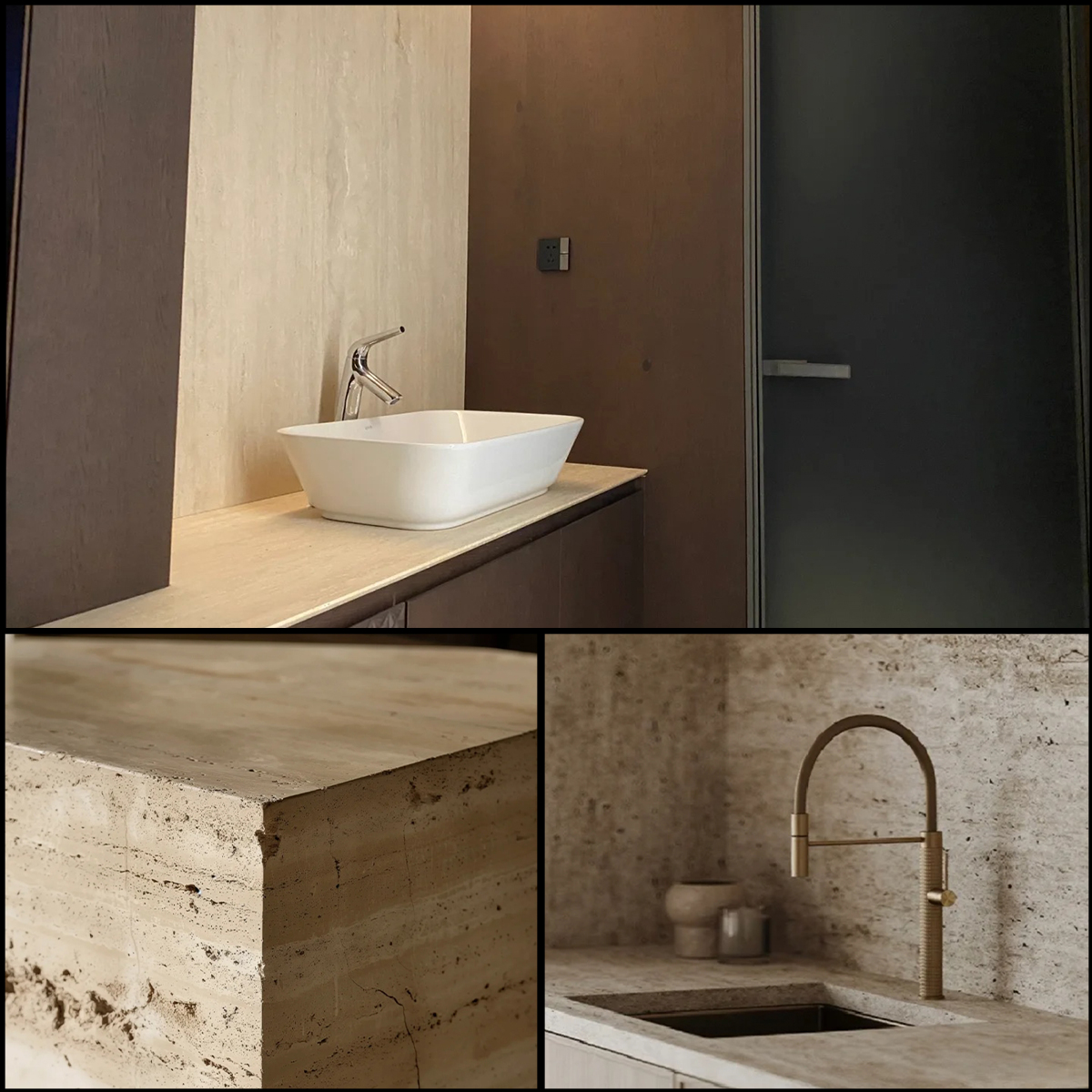
Aesthetically, cultured marble achieves authentic stone appearance with natural veining patterns, while acrylic surfaces—even those attempting to mimic stone—often appear synthetic upon close inspection. For architects and designers specifying materials for luxury residences, hotels, or executive suites, this authenticity justifies the premium. Cultured marble also demonstrates better scratch resistance than acrylic, maintaining its appearance longer in active households.
Compared to fiberglass bathtubs, cultured marble delivers dramatically superior longevity and premium appearance. Fiberglass tubs represent the most economical option but typically show wear within 5-10 years, with gel coat deterioration, surface crazing, and structural flexing under load. Cultured marble maintains structural integrity and surface quality for 20-30 years with proper care, making the higher initial investment worthwhile for projects prioritizing long-term value over minimum first cost.
The cultured marble versus natural marble comparison reveals practical advantages that often outweigh natural stone's prestige. Natural marble bathtubs cost 3-6 times more than cultured versions and require complex fabrication, specialized installation, and ongoing sealing maintenance. Natural marble's porous surface can absorb water, stain from bath products, and develop etching from acidic substances. Cultured marble eliminates these vulnerabilities while delivering comparable visual impact.
Compared to tile surrounds, cultured marble bathtub installations offer seamless construction without grout lines requiring periodic cleaning, sealing, and eventual replacement. Tile installations demand skilled labor for proper waterproofing, precise layout, and grout application, increasing both installation costs and long-term maintenance. The monolithic nature of cultured marble reduces installation complexity and eliminates grout-related mold and deterioration issues that plague tile bathrooms.
For luxury residential projects, hospitality properties, and high-end multi-family developments, cultured marble represents the optimal balance of aesthetics, durability, and value. The material suits bathroom renovations, new construction, and commercial applications where premium appearance and low maintenance justify the investment over basic alternatives but natural stone costs prove prohibitive or impractical.
Buying Guide: What to Consider
Size and shape selection begins with accurate bathroom measurements and consideration of access routes. Standard cultured marble bathtubs typically measure 60 inches long for alcove installations, 66-72 inches for freestanding models, and 48-60 inches for corner configurations. However, custom sizing accommodates unique layouts, sloped ceilings, or architectural features. Verify door widths, hallway dimensions, and stair clearances before ordering, as cultured marble's weight and monolithic construction limit maneuverability compared to modular installations.
Color and pattern choices should complement the overall bathroom design while considering long-term appeal. Classic white and neutral tones with subtle veining offer timeless elegance that adapts to evolving décor. For bolder statements, consider brown artificial marble customized options in light or dark variations that coordinate with cabinetry, flooring, or accent walls. Request physical samples rather than relying on digital images, as colors and patterns appear differently under bathroom lighting conditions.
Quality indicators separate premium cultured marble products from inferior alternatives. Gel coat thickness should measure at least 20-25 mils (0.020-0.025 inches) to provide adequate protection and allow for eventual surface refinishing if needed. Ask manufacturers about resin composition, preferring isophthalic or vinylester resins over lower-grade orthophthalic formulations. Higher-quality resins resist yellowing, provide better heat tolerance, and deliver superior long-term durability.
Finding reputable suppliers requires research beyond price comparison. Look for manufacturers with established track records, industry certifications, and comprehensive warranties covering manufacturing defects, gel coat deterioration, and structural integrity. Companies specializing in luxury stone products, like those offering travertine and natural stone solutions, often provide cultured marble alongside natural stone options, demonstrating broader material expertise and quality standards.
Custom versus standard designs impact both cost and lead time. Standard bathtub models ship relatively quickly from manufacturer inventory, while custom configurations require 4-8 weeks for production and delivery. Custom designs accommodate unique dimensions, integrated features like built-in armrests or corner seats, and specific color matching. For signature residential projects or boutique hospitality properties, custom capabilities justify the additional timeline and investment.
Questions to ask suppliers include warranty coverage duration and scope, maintenance requirements and approved cleaning products, repair procedures for scratches or damage, and technical support availability during installation. Request installation instructions, recommended contractor qualifications, and any special tools or materials required. Understanding these factors before purchase prevents complications during implementation and ensures long-term satisfaction.
Cost Analysis and Budget Planning
Material costs for cultured marble bathtubs typically range from $1,700 to $2,500 for standard configurations, with custom designs commanding $3,000-$5,000 or more depending on size, features, and pattern complexity. This pricing positions cultured marble between basic acrylic options ($500-$1,200) and natural stone alternatives ($8,000-$15,000+), offering an attractive middle ground for luxury projects seeking premium aesthetics without exotic material costs.
Installation labor rates vary by region and project complexity, generally ranging from $40 to $100 per hour. A typical cultured marble bathtub installation requires 6-10 hours of professional labor, including demolition of existing fixtures, surface preparation, bathtub placement and leveling, plumbing connections, and sealing. Total labor costs typically add $500-$800 to project budgets, though complex custom installations in challenging spaces may require additional time.
Complete project costs including tub surrounds, wall panels, and installation generally range from $2,800 to $4,500 for standard bathroom renovations. This encompasses the bathtub itself, matching cultured marble wall panels eliminating tile installation, labor, adhesives, sealants, and minor plumbing modifications. Projects incorporating artificial marble slabs for coordinating vanity tops or custom shower surrounds may increase total bathroom renovation costs to $8,000-$15,000 for comprehensive upgrades.
Cost comparison with alternative materials reveals cultured marble's value proposition. While initial material costs exceed fiberglass or acrylic by $1,000-$1,500, the superior durability and longevity justify the premium. Cultured marble's 20-30 year lifespan means homeowners avoid replacement costs that would be necessary with lower-grade materials showing wear after 10-15 years. The maintenance time savings and sustained appearance further enhance long-term value.
Bathroom renovations featuring cultured marble typically deliver 50-70% return on investment according to industry data, making them sound financial decisions for homeowners planning eventual resale. The premium appearance appeals to buyers seeking move-in-ready homes with quality finishes, differentiating properties in competitive markets. For investment properties, hospitality projects, and multi-family developments, the low maintenance and durability minimize operational costs while maintaining attractive guest-facing spaces.
Cost-saving strategies include selecting standard sizes and colors rather than custom configurations, bundling multiple cultured marble elements like bathtubs and vanity tops for volume pricing, and handling preparatory demolition work independently before professional installation. However, avoid compromising on gel coat quality or resin composition to save costs, as these factors directly impact long-term performance and satisfaction.
Professional Installation Process
Essential tools and materials for cultured marble bathtub installation include construction adhesive or liquid nails formulated for stone products, 100% silicone sealant (not latex or acrylic caulk), measuring tape and level for precise placement, shims for leveling adjustments, and safety equipment including gloves and eye protection. A notched trowel facilitates even adhesive distribution, while a caulking gun and smoothing tool ensure professional-quality sealing. For custom installations, oscillating multi-tools or fine-tooth saws may be necessary for precise fitting.
Surface preparation determines installation success and long-term performance. The subfloor must be structurally sound, level within 1/4 inch over 10 feet, and capable of supporting the bathtub's weight plus water and occupants (typically 800-1,200 pounds total). Remove existing flooring or underlayment if damaged, repair subfloor defects, and ensure adequate drainage slope. Wall surfaces receiving cultured marble surrounds require clean, smooth, moisture-resistant backing such as cement board or waterproof drywall.
Step-by-step installation begins with dry fitting—placing the bathtub in position without adhesive to verify fit, clearances, and alignment. Check that drain and overflow openings align with plumbing rough-in, adjust positioning as needed, and mark the bathtub outline on the floor. Remove the tub, apply construction adhesive in continuous beads following manufacturer patterns, typically in parallel lines or grid patterns covering 50-70% of the contact area.
Carefully lower the cultured marble bathtub into position, aligning with reference marks while avoiding adhesive displacement. Press firmly across the entire surface to establish adhesive contact, then check level in both directions. Insert shims as needed to achieve precise leveling, as even minor slopes affect drainage and appearance. For wall-mounted bathtub surrounds, apply adhesive to both the wall surface and back of panels, then press firmly while supporting until the adhesive develops initial grab.
Sealing techniques protect against water infiltration and ensure longevity. Apply 100% silicone sealant at all seams where the bathtub meets walls, where surrounds meet the tub rim, and at any panel joints. Silicone provides superior flexibility and adhesion compared to latex caulks that may fail in humid environments. Tool joints immediately after application using a caulk smoothing tool or dampened finger, creating uniform concave profiles that shed water effectively.
Curing time requirements typically span 24-48 hours before the bathtub can be used, though specific products may vary. Consult adhesive and sealant manufacturer specifications for exact cure schedules under prevailing temperature and humidity conditions. Avoid water contact, loading, or stress during the curing period to ensure proper bonding and prevent joint failure. Schedule installation to minimize disruption when multiple bathrooms allow flexibility.
When to hire professionals versus attempting DIY installation depends on project complexity, available tools, and comfort with precise construction work. Standard alcove installations in straightforward layouts may be manageable for experienced DIYers with proper tools and preparation. However, freestanding bathtubs, custom configurations, or installations requiring significant plumbing modifications typically warrant professional expertise. For luxury residential projects where aesthetics and warranties matter most, professional installation ensures optimal results and often activates manufacturer guarantees.
Maintenance and Care Guidelines
Daily cleaning of cultured marble bathtubs requires only a soft sponge or microfiber cloth with non-abrasive cleaners to maintain the surface. Multi-purpose spray cleaners like Formula 409, Mr. Clean, or Fantastic effectively remove soap scum, body oils, and typical bathroom residue without damaging the gel coat. Wipe surfaces after each use to prevent buildup, then dry with a soft towel to eliminate water spots and maintain shine. This simple routine takes minutes but preserves appearance indefinitely.
Removing hard water stains that accumulate despite regular cleaning involves a 50/50 solution of white vinegar and water. Spray the affected areas, allow the solution to sit for 5-10 minutes to dissolve mineral deposits, then wipe clean with a soft cloth. For stubborn stains, follow vinegar treatment with a fine polishing compound designed for cultured marble, buffing gently in circular motions. Rinse thoroughly and dry to reveal restored shine. This process addresses the most common maintenance issue homeowners encounter.
Preventing and treating surface scratches maintains the bathtub's pristine appearance throughout its lifespan. Minor surface scratches from abrasive contact often buff out using automotive polishing compounds or specialized cultured marble restorers. Apply small amounts to a soft cloth, work the compound into the affected area using gentle circular motions, then wipe clean and assess results. Multiple applications may be necessary for deeper scratches, though the gel coat's thickness accommodates moderate abrasion repair without compromising protection.
Mold and mildew prevention in bathroom environments starts with proper ventilation and surface maintenance. While cultured marble's non-porous gel coat resists mold growth, neglected water accumulation in corners or along seams can harbor growth. Address any mold promptly using diluted chlorine bleach solutions (never apply pure bleach directly to cultured marble) or bathroom-specific mildew cleaners. Ensure adequate bathroom ventilation through exhaust fans or windows to control humidity and prevent recurrence.
Products to avoid include harsh chemicals like acetone (except for specific cleaning of construction residue), abrasive scrubbing pads or powders, acidic cleaners like toilet bowl cleaners containing hydrochloric acid, and furniture polishes containing oils or waxes. These substances can dull the gel coat, cause discoloration, or create buildup that attracts dirt. Always test new cleaning products in inconspicuous areas before applying to visible surfaces, even when labeled as stone-safe.
Professional maintenance becomes necessary for deeper scratches penetrating beyond superficial gel coat layers, chips or cracks from impact damage, or widespread dulling from improper cleaning product use. Cultured marble restoration specialists can sand, re-polish, and even re-gel coat surfaces to restore like-new appearance. While these services involve costs of $300-$800 depending on damage extent, they remain far more economical than bathtub replacement and can fully rejuvenate aged or damaged surfaces.
Durability and Expected Lifespan
Expected lifespan for properly maintained cultured marble bathtubs ranges from 20 to 30 years, making them sound long-term investments for residential and commercial applications. This longevity significantly exceeds fiberglass (5-10 years) and rivals or surpasses acrylic alternatives (10-15 years) while approaching natural stone durability at substantially lower initial cost. For homeowners, this means a single bathroom renovation can serve through decades of use without requiring replacement during typical home ownership periods.
Factors affecting longevity include cleaning practices, usage patterns, and installation quality. Bathtubs subjected to harsh abrasive cleaners or physical impacts from dropped objects may show premature wear requiring professional restoration. Conversely, gentle daily maintenance with appropriate products preserves gel coat integrity indefinitely. Proper installation with adequate structural support, correct adhesive application, and comprehensive sealing prevents moisture infiltration that could compromise the substrate or surrounding structures.
Gel coat protection forms the critical defense layer on cultured marble surfaces. The factory-applied gel coat typically measures 20-25 mils thick, providing substantial depth for minor scratch repair and long-term wear resistance. When the gel coat shows widespread dulling, persistent staining that won't respond to cleaning, or visible substrate through worn areas, professional re-coating restores protection and appearance. Re-coating typically costs $500-$1,200 and extends service life by another 10-15 years, far less than replacement costs.
Comparison with other engineered marble products reveals similar durability characteristics across applications. Artificial marble slabs used for countertops and wall cladding demonstrate comparable longevity under appropriate conditions, though horizontal surfaces may show wear patterns different from vertical bathtub applications. The consistent material composition and manufacturing processes ensure predictable performance regardless of application, giving designers confidence when specifying cultured marble across multiple surfaces within a project.
Long-term performance in high-end residential projects justifies the initial investment through sustained appearance and minimal maintenance requirements. Unlike natural stone requiring periodic sealing or tile installations needing grout maintenance and eventual replacement, cultured marble maintains its original beauty with simple cleaning. For commercial applications like hotels or high-end multi-family properties, this durability minimizes turnover costs and maintains property aesthetics that command premium rates and attract quality tenants.
Design Integration for Luxury Projects
Coordinating cultured marble bathtubs with artificial marble slabs for vanity tops and walls creates cohesive luxury bathroom environments. Matching or complementary patterns across surfaces unify the space visually while eliminating the jarring transitions common in bathrooms combining multiple disparate materials. Designers can specify identical marble patterns for bathtubs, vanities, and shower walls, or intentionally contrast patterns for visual interest while maintaining material consistency.
Creating cohesive designs with matching stone materials extends beyond cultured marble to include natural stone accents. Pair cultured marble bathtubs with travertine or marble tile flooring, coordinate with granite or quartzite accent walls, or complement with onyx lighting features. The neutral base of most cultured marble patterns accommodates various natural stone companions, allowing designers to incorporate authentic quarried materials where they provide maximum impact while using engineered alternatives where practicality and cost matter most.
Custom color matching capabilities enable precise coordination with light brown artificial marble or dark brown artificial marble accents throughout the bathroom. Manufacturers can produce cultured marble bathtubs matching cabinetry finishes, coordinating with wood tones, or complementing metal fixture selections. This customization proves particularly valuable for signature residential projects where every detail contributes to a unified design vision, and for hospitality properties establishing distinctive brand identities through material selections.
Pairing cultured marble bathtubs with natural stone flooring creates interesting material dialogues balancing engineered and natural elements. Position a white Carrara-style cultured marble bathtub against darker marble or granite flooring for dramatic contrast, or choose complementary tones for subtle sophistication. The combination delivers luxury aesthetics while allocating budgets strategically—using natural stone where its unique characteristics shine and engineered materials where consistency and practicality provide advantages.
Design trends for high-end residential and hospitality projects increasingly embrace mixed materials that tell compelling stories. Contemporary bathrooms might feature cultured marble bathtubs as focal points within otherwise minimalist spaces with concrete-look porcelain tile and industrial-style fixtures. Traditional designs might surround cultured marble tubs with wainscoting, crystal chandeliers, and Calacatta Viola marble fireplace surrounds in adjacent bedroom spaces, extending the marble theme throughout the suite. Understanding these trends helps designers create spaces that feel current while maintaining timeless appeal ensuring long-term satisfaction.
Conclusion
Cultured marble bathtubs** represent an intelligent intersection of luxury aesthetics, practical durability, and financial value for discerning homeowners, architects, and developers. By combining crushed natural marble with advanced resins and protective gel coats, these engineered stone products deliver the timeless beauty of quarried marble without the prohibitive costs, maintenance demands, or installation complexities. From seamless surfaces that resist mold and mildew to superior heat retention enhancing soaking comfort, cultured marble addresses both functional requirements and design aspirations.
The comprehensive guidance provided throughout this article equips you to make informed decisions across every project phase—from initial material selection and supplier evaluation through installation execution and long-term maintenance. Understanding cost structures, installation requirements, and care protocols ensures your cultured marble bathtub investment delivers decades of performance while maintaining the pristine appearance that initially attracted your specification.
Whether you're renovating a master bathroom, specifying materials for a boutique hotel, or developing luxury residences, cultured marble bathtubs deserve serious consideration. The material's versatility accommodates diverse design visions, from classic white Carrara aesthetics to contemporary custom colors. Combined with Future Stone Group's expertise in premium stone materials and comprehensive project solutions, your bathroom project can achieve the perfect balance of beauty, durability, and value that defines truly exceptional spaces.
Ready to explore cultured marble bathtub options for your next project? Contact Future Stone Group to discuss custom configurations, view material samples, and receive expert guidance on integrating engineered and natural stone elements throughout your luxury bathroom design.
FAQ
How much does a cultured marble bathtub cost?
Material costs for cultured marble bathtubs typically range from $1,700 to $2,500 for standard configurations, with custom designs ranging from $3,000 to $5,000 or higher depending on complexity. Total installation costs including labor and supplies generally range from $2,800 to $4,500 for complete bathtub installations. These costs position cultured marble between basic acrylic alternatives and expensive natural stone options, offering premium aesthetics at accessible price points. Custom features, specialized colors, or unique sizing increase costs but provide distinctive results for luxury residential and commercial projects. The investment delivers superior durability and aesthetics compared to budget alternatives while remaining substantially more affordable than natural marble.
How long do cultured marble bathtubs last?
With proper care and maintenance, cultured marble bathtubs typically last 20 to 30 years, making them durable long-term investments for bathroom projects. This lifespan significantly exceeds fiberglass bathtubs (5-10 years) and rivals or surpasses acrylic alternatives (10-15 years). The protective gel coat resists staining, scratching, and chemical damage when maintained with appropriate cleaning products and techniques. Factors affecting longevity include installation quality, cleaning practices, and usage patterns. Professional re-coating services can extend service life beyond 30 years if the gel coat shows wear, providing a cost-effective alternative to complete replacement. For homeowners and property developers, this durability justifies the higher initial investment compared to economy alternatives requiring earlier replacement.
Is cultured marble better than acrylic for bathtubs?
Cultured marble offers superior aesthetics, better heat retention, and a more substantial feel compared to acrylic bathtubs, though at a higher price point. While acrylic tubs cost $500-$1,200, cultured marble ranges from $1,700-$2,500, delivering authentic stone appearance with natural veining that acrylic cannot replicate convincingly. Cultured marble also provides better scratch resistance and acoustic dampening, reducing hollow sounds during filling and use. The denser material retains bath water temperature longer, creating more comfortable soaking experiences. For luxury residential projects, hospitality properties, or high-end renovations where premium appearance and long-term durability matter most, cultured marble justifies the investment. Acrylic suits budget-conscious projects prioritizing economy over aesthetics and longevity.
Can cultured marble bathtubs be repaired if scratched?
Minor surface scratches on cultured marble bathtubs can be buffed out using polishing compounds specifically formulated for cultured marble or automotive polishing products. Apply small amounts to soft cloths and work into affected areas using gentle circular motions until scratches diminish or disappear. The gel coat's 20-25 mil thickness accommodates moderate surface repair without compromising protection. Deeper scratches, chips, or cracks penetrating beyond superficial gel coat layers should be repaired by professional cultured marble technicians to maintain appearance and warranty coverage. Professional restoration services can sand, re-polish, and re-gel coat surfaces, fully rejuvenating damaged bathtubs at costs of $300-$800—substantially less than replacement. Proper maintenance minimizes scratch occurrence, preserving appearance throughout the bathtub's 20-30 year lifespan.
What cleaning products are safe for cultured marble bathtubs?
Use non-abrasive multi-purpose cleaners like Formula 409, Mr. Clean, or Fantastic for daily cultured marble bathtub maintenance. These common household products effectively remove soap scum and body oils without damaging the protective gel coat. For hard water stains, apply 50/50 white vinegar and water solutions, allowing 5-10 minutes contact time before wiping clean. Avoid harsh chemicals including acetone, acidic cleaners like toilet bowl products containing hydrochloric acid, abrasive scrubbing powders or pads, and furniture polishes with oils or waxes. Never apply pure bleach directly to cultured marble; dilute significantly if needed for mold treatment. Simple daily wiping with soft cloths and appropriate cleaners maintains surface shine indefinitely without specialized maintenance products or professional services.
Marble bathtub project sourcing hub
This guide connects cultured marble bathtubs with the wider hotel and villa stone tub buying path. Use it when deciding whether an engineered surface or a carved natural marble bathtub is the better specification for budget, maintenance, delivery and long-term repairability.
Buyer intent: engineered stone vs natural marble bathtub comparison for project buyers who need a practical substitute analysis before RFQ.
- Review basin and tub project context before choosing the bathroom stone package.
- Compare natural marble and travertine options when the brief requires carved natural stone.
- Send quantity, size, finish, sample and destination details through FutureStone contact for project pricing.
Related buying guides: stone bathtub comparison matrix, factory price vs retail price, structural load, waterproofing, and plumbing coordination, custom sizes, drawings, crate packing, and MOQ, and Carrara, Calacatta, and Statuario bathtub selection.
Cultured marble bathtub project RFQ and installation handoff
Cultured marble is often selected for hotel, villa and residential bathroom projects because it offers a consistent surface, flexible color options and easier repair planning than a carved natural stone tub. The quotation should still be treated as a complete bathroom package: the tub, filled load, floor support, drain connection, overflow, access route, wall panels, sealing details and export packing all affect the final specification.
For a fair comparison between cultured marble and natural stone, confirm the exact tub footprint, internal dimensions, finished tub weight, filled load, surface finish, color or veining reference, drain and overflow positions, plumbing connection, delivery sequence and local installation responsibility before production begins.
cultured marble bathtub specification checklist
- Dimensions and comfort: confirm overall length, width, height, rim height, internal depth, water capacity, seating angle, drain position and overflow position against the bathroom drawings.
- Finished tub weight and filled load: record the dry tub weight, expected water and bather load, floor support, reinforcement requirement, lifting method and access route before shipment.
- Drain, overflow and plumbing positions: coordinate waste outlet, overflow, faucet, floor drain, trap clearance, waterproofing and the final connection responsibility with the installer.
- Surface and appearance: approve the cultured marble color, gel-coat or solid-surface finish, gloss level, edge treatment, repair method and matching wall-panel sample before mass production.
- Crate dimensions and site access: confirm crate dimensions and site access, door and lift limits, unloading equipment, protective packaging, crate marks and the installation sequence for each bathroom.
- Project quantity and service: separate samples, first article, replacement allowance, production quantity, MOQ, inspection photos, lead time and after-delivery support in the quotation.
Cultured marble bathtub RFQ checklist
A complete Cultured marble bathtub RFQ should include the bathroom plan, tub dimensions, internal depth, water capacity, finished tub weight and filled load, floor support notes, drain and overflow positions, faucet location, surface finish, color or veining reference, wall-panel requirements, quantity, sample approval, crate dimensions and site access, destination, shipping term, installation responsibility and required delivery date. If the project compares cultured marble with a natural marble or travertine tub, request the same information for both options so the total installed cost and site risk can be reviewed fairly.
Use the basin and tub project category for the wider bathroom package, review the marble bathtub wholesale buying guide for quantity and packing questions, and check the marble bathtub installation guide for structural and plumbing coordination. For material alternatives, compare artificial marble applications and natural marble slabs, then send the bathtub project details to FutureStone.
Cultured marble bathtub project FAQ
What should a cultured marble bathtub RFQ include?
Include tub dimensions, internal depth, water capacity, finished tub weight, filled load, floor support, drain and overflow positions, surface finish, color or veining reference, quantity, sample approval, crate dimensions and site access, destination and installation responsibility.
Does the filled load need to be reviewed before ordering a cultured marble bathtub?
Yes. The filled load combines the finished tub, water and bather load. The project team should confirm floor support, reinforcement, lifting, access and installation sequence before the factory confirms production and packing.
How should cultured marble and natural stone bathtub quotations be compared?
Compare the complete installed specification, not only the tub price. Review dimensions, finished weight, filled load, plumbing, waterproofing, surface finish, repair method, quantity, MOQ, crate dimensions, site access, shipping and installation responsibilities.
Need a material or project recommendation?
Share the page, material target or project requirement with our team.