
marble, a metamorphic rock composed primarily of calcium carbonate, has been revered for millennia for its aesthetic appeal, durability, and natural veining patterns. Originating from limestone subjected to intense heat and pressure, this luxury stone has shaped human history, art, and architecture. Its timeless elegance continues to inspire contemporary applications in interior design, construction, and sculpture.
Historical Significance and Geological Formation
The geological journey of marble begins with the recrystallization of sedimentary rocks under Earth’s crust. Regions rich in metamorphic activity, such as Carrara, Italy and Penteli, Greece, have produced iconic white marble varieties like Statuario and Calacatta, prized for their translucency and distinctive veining. Ancient civilizations, including the Greeks and Romans, utilized marble for monumental structures like the Parthenon and Pantheon, showcasing its structural integrity and weather resistance.
Architectural and Design Applications
In modern architecture, marble remains a symbol of opulence and sophistication. Its applications span:
1. Flooring and Wall Cladding: Polished marble tiles create reflective surfaces ideal for luxury interiors, while honed finishes offer slip-resistant practicality.
2. Countertops and Vanities: Kitchen countertops made from Carrara marble or Emperador Dark combine functionality with artistic flair, though they require sealing to resist staining from acidic substances.
3. Facades and Structural Elements: Architects employ marble slabs for building exteriors to achieve a blend of modern minimalism and classical grandeur.
Artistic and Sculptural Uses
Marble’s workability and fine texture have made it a favorite medium for sculptors. Michelangelo’s David, carved from a single block of Carrara marble, epitomizes the stone’s potential for intricate detailing. Today, contemporary artists leverage CNC machining and laser cutting to push the boundaries of marble craftsmanship, creating abstract installations and custom reliefs.
Innovations in Sustainability and Technology
While marble quarrying raises environmental concerns due to carbon emissions and resource depletion, advancements in sustainable mining and recycling aim to mitigate its ecological footprint. Engineered marble composites, such as cultured marble and quartzite blends, replicate natural patterns while enhancing scratch resistance. Additionally, waterjet cutting technology allows precise fabrication of complex shapes, reducing material waste.
Challenges and Maintenance
Despite its longevity, marble demands careful maintenance. Its porous nature makes it susceptible to etching from acidic cleaners, necessitating regular polishing and pH-neutral cleaners. In high-traffic areas, marble restoration services repair surface cracks and discoloration, preserving its luster for decades.
Cultural and Symbolic Resonance
Beyond practicality, marble carries cultural weight. In religious architecture, white marble symbolizes purity, evident in India’s Taj Mahal. In funerary art, black marble like Belgian Noir conveys solemnity. The stone’s veins and color variations—from creamy beige (Crema Marfil) to dramatic green (Verde Guatemala)—reflect Earth’s geological diversity.
Conclusion
From the quarries of Tuscany to smart home interiors, marble’s journey epitomizes humanity’s quest to harmonize nature’s beauty with functional design. As technology evolves, this ancient stone adapts, securing its place in both heritage conservation and futuristic projects. Whether adorning a skyscraper lobby or a bespoke coffee table, marble remains an enduring testament to artistry and geological wonder.
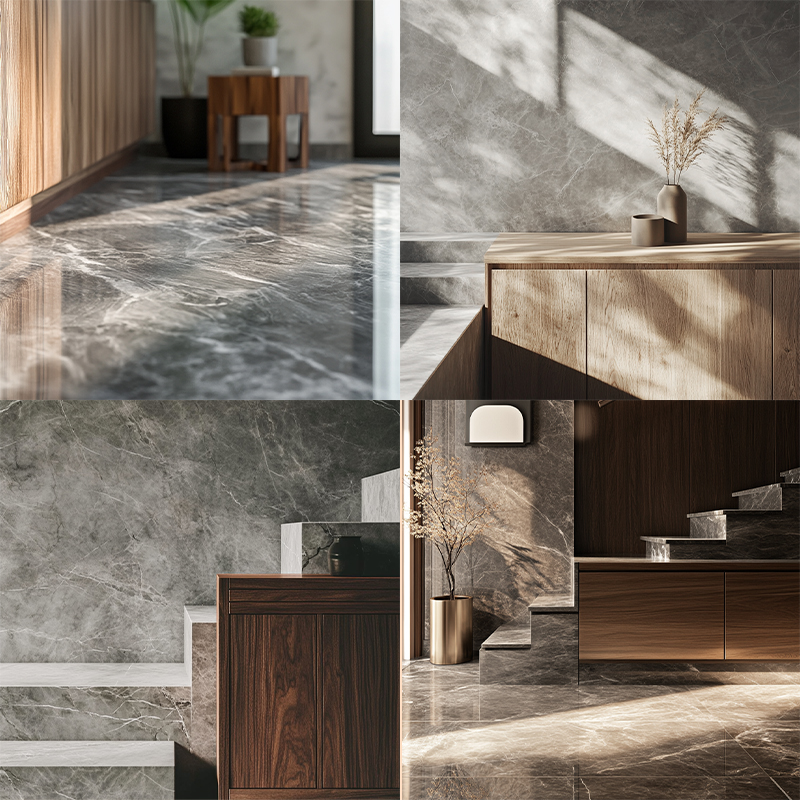

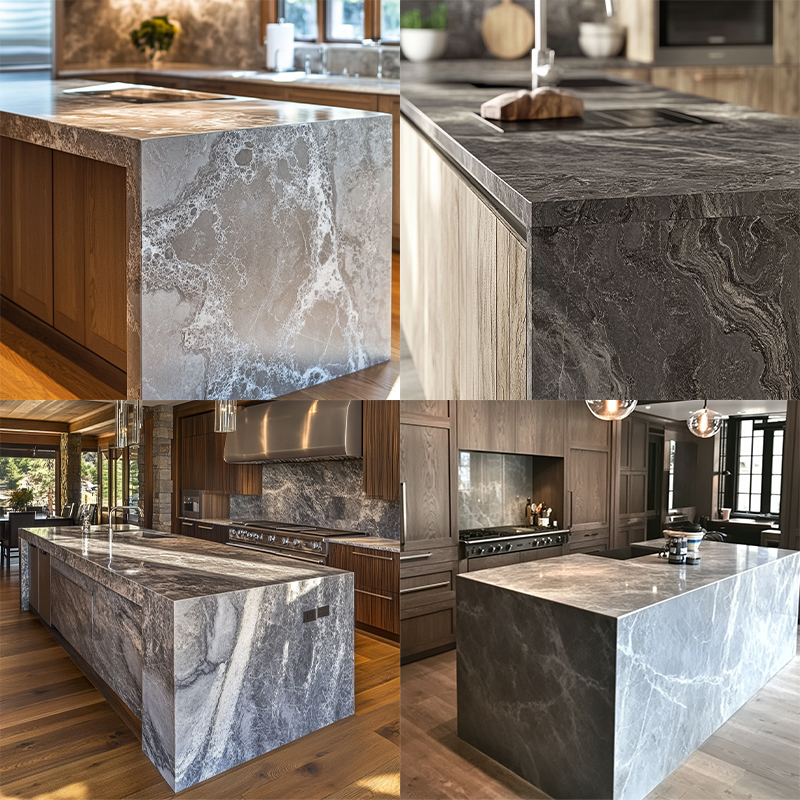
Marble applications and project selection guide
Marble is used across floors, walls, countertops, bathroom vanities, staircases, fireplaces, furniture and architectural details. The right application depends on the project environment, stone type, slab thickness, finish, fabrication method, maintenance plan and how the material will be inspected and packed for delivery. Use this guide to move from general marble inspiration to a clear project specification.
Natural variation is part of marble's value, but it must be managed before production. For a hotel, villa, apartment, retail or commercial project, approve current slab photos, tone and vein range, finish sample, cut-to-size drawings, edge details, quantity, spare pieces and installation sequence before confirming the order.
marble application specification matrix
| Application | Why marble is selected | Main technical checks | Approval evidence |
|---|---|---|---|
| Floors and wall cladding | Natural veining, large visual surfaces and premium architectural character | Thickness, finish, slip expectation, joint layout, substrate and maintenance | Slab photos, tile layout, finish sample, elevations and dry-lay photos |
| Countertops and vanities | Distinctive pattern, polished or honed surface and custom fabrication | Support, overhang, edge profile, sink or cooktop cut-outs, sealing and seams | Shop drawings, cut-to-size drawings, edge sample and physical finish sample |
| Staircases and fireplaces | Durable focal elements with coordinated treads, risers, surrounds and returns | Tread and riser sizes, nosing, anti-slip finish, carving, fixing and handling weight | Stair drawings, carving drawings, dry assembly photos and crate labels |
| Furniture and decorative pieces | One-of-a-kind slabs for tables, side tables, cabinets, sculptures and feature pieces | Dimensions, base support, edge detail, finish, corner protection and assembly route | Furniture drawings, selected slab photos, finish sample and packing photos |
Marble application approval checklist
- Match the material to the use: confirm whether the project needs a calm floor stone, a high-contrast feature wall, a stain-sensitive countertop, a slip-conscious stair finish or a statement furniture slab.
- Approve the surface: compare polished, honed, leathered, brushed or textured finishes with lighting, water exposure, foot traffic, cleaning and maintenance expectations.
- Control fabrication: provide finished dimensions, thickness, edge profile, cut-outs, joints, bookmatch direction, support details and cut-to-size drawings before production.
- Plan inspection and delivery: request current slab photos, dry-lay or assembly photos, piece labels, QC records, crate marks, packing photos and export documents before loading.
Marble applications RFQ handoff checklist
A complete marble applications RFQ should state the project type, application area, stone preference, slab or tile format, finished dimensions, thickness, finish, edge profile, quantity, cut-outs, drawings, sample requirement, inspection point, destination country, shipping term, export packing standard and target delivery date. If a project combines floors, walls, countertops, stairs and furniture, separate the scope by room or product so the supplier can quote yield, fabrication, packing volume and lead time accurately.
For related sourcing, review marble materials, wall and floor tile applications, kitchen countertop projects, stone furniture applications and custom stone project references. Confirm the surface with the marble finish selection guide, protect the shipment with the marble packing guide and contact FutureStone with drawings, quantity and destination for a project quotation.
Marble applications FAQ
What are the most common uses of marble?
The most common uses of marble include floors, wall cladding, kitchen countertops, bathroom vanities, staircases, fireplace surrounds, dining tables, side tables, sculptures and architectural details. The application should determine the stone type, finish, thickness, fabrication and maintenance plan.
Which marble finish is best for floors and walls?
The best finish depends on traffic, water exposure, lighting and cleaning requirements. Polished marble emphasizes reflection and veining, while honed, brushed or textured finishes can provide a softer appearance and more practical grip for selected floors or wet-area applications.
What should a marble applications RFQ include?
Include the application area, stone preference, dimensions, thickness, finish, edge profile, cut-outs, drawings, quantity, sample requirement, inspection point, crate marks, export packing, destination and delivery deadline so the supplier can quote the full project scope.
Need a material or project recommendation?
Share the page, material target or project requirement with our team.