
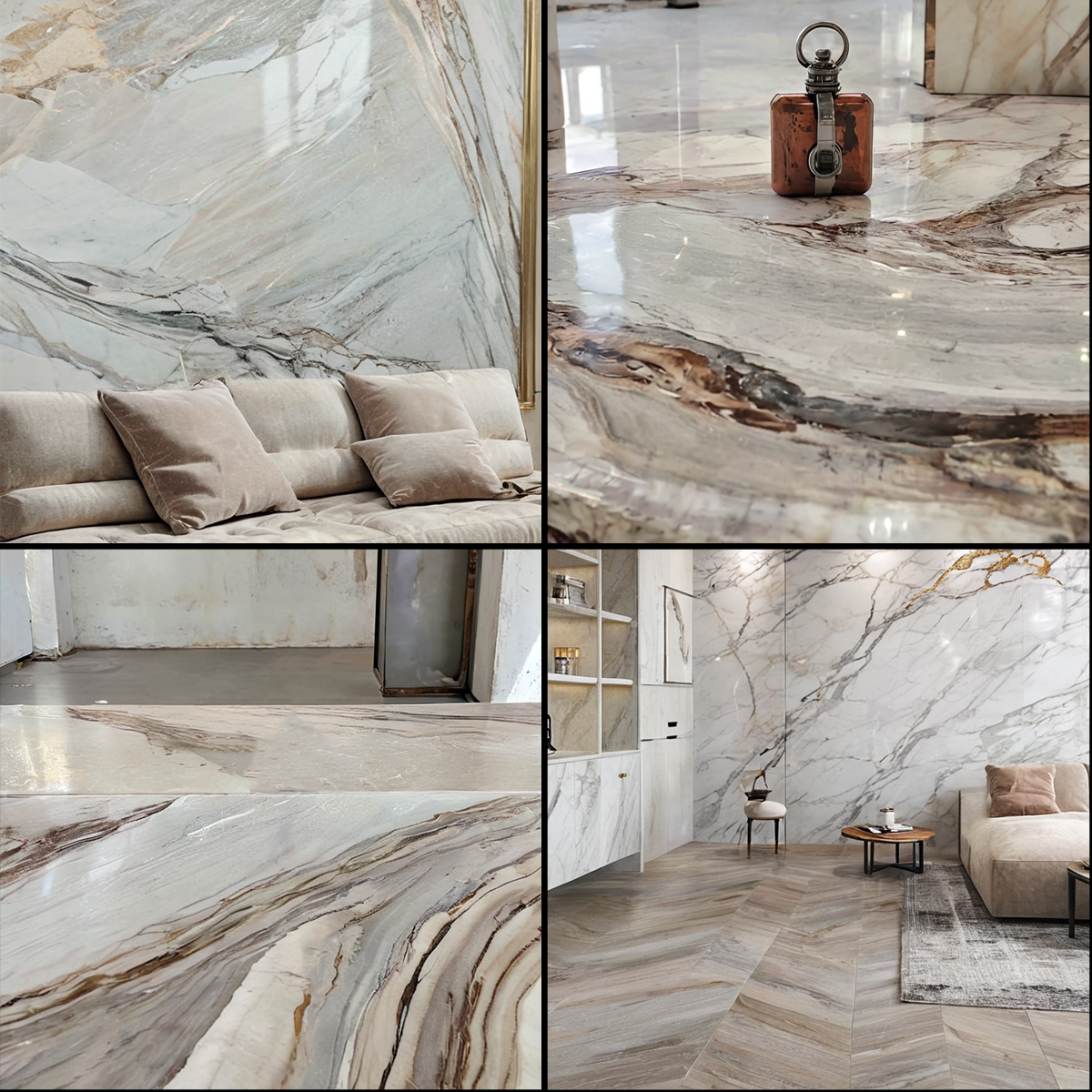
The best natural stone slab for any project is the one whose material properties, finish, thickness, and logistics plan are precisely matched to the use-case, climate, code requirements, and installation method. Below is the definitive, technically rigorous guide for specifying and delivering natural stone slabs with confidence, crafted for architects, designers, contractors, and discerning homeowners working with premium materials.
Natural Stone Slabs: A Guide to Selecting the Best for Your Project
Selecting stone should begin with performance criteria and end with beauty, not the other way around, because durability, safety, and lifecycle cost are determined first by engineering and only then by aesthetics. Future Stone Group manufactures premium marble and engineered stone products across slabs, tiles, furniture tops, and integrated fit‑out elements, enabling unified specifications and consistent appearance across high-end and value-driven projects.
Start With Application And Risk
Define where and how the stone will work—lobbies, bathrooms, façades, pool surrounds, stair treads, counters, or furniture—because each imposes distinct demands on slip resistance, water exposure, abrasion, and support conditions. Public circulation, wet zones, and exterior areas require higher traction and more robust performance than decorative wall cladding or low-traffic residential spaces, which should drive early material shortlisting.
Stone Families And Their Strengths
- Marble delivers a refined aesthetic with pronounced veining and is best positioned for luxury interiors, feature walls, vanities, and furniture tops where the surface can be protected and maintained.
- Granite is dense and hard, making it a reliable choice for kitchen worktops, exterior steps, high-traffic floors, and paving where scratch and weather resistance are essential.
- Travertine offers warmth and texture; when used in floors or wet areas it benefits from filling and diligent sealing to manage porosity and wear.
- Onyx is visually dramatic and well suited to statement walls and counters with controlled use and careful structural support due to its brittleness.
- Engineered and sintered slabs complement natural stone where stain resistance, uniformity, and dimensional stability are priorities for worktops, vanities, and furniture.
The Data That Matters (Standards And Tests)
Treat technical data as non-negotiable; core properties include absorption/porosity, compressive strength, flexural (bending) strength, abrasion, and slip resistance, each verified by established standards. Key references include ASTM C97 for absorption and bulk specific gravity, ASTM C170 for compressive strength, and ASTM C99/C880 for modulus of rupture and flexural strength, with additional slip testing often addressed via ANSI A137.1 dynamic coefficient of friction methods. Requiring quarry/lot-specific test reports and verifying them against project needs (e.g., exterior freeze–thaw, heavy rolling loads, or wet barefoot use) reduces risk and aligns selection with real-world conditions.
Finishes: Performance And Aesthetics
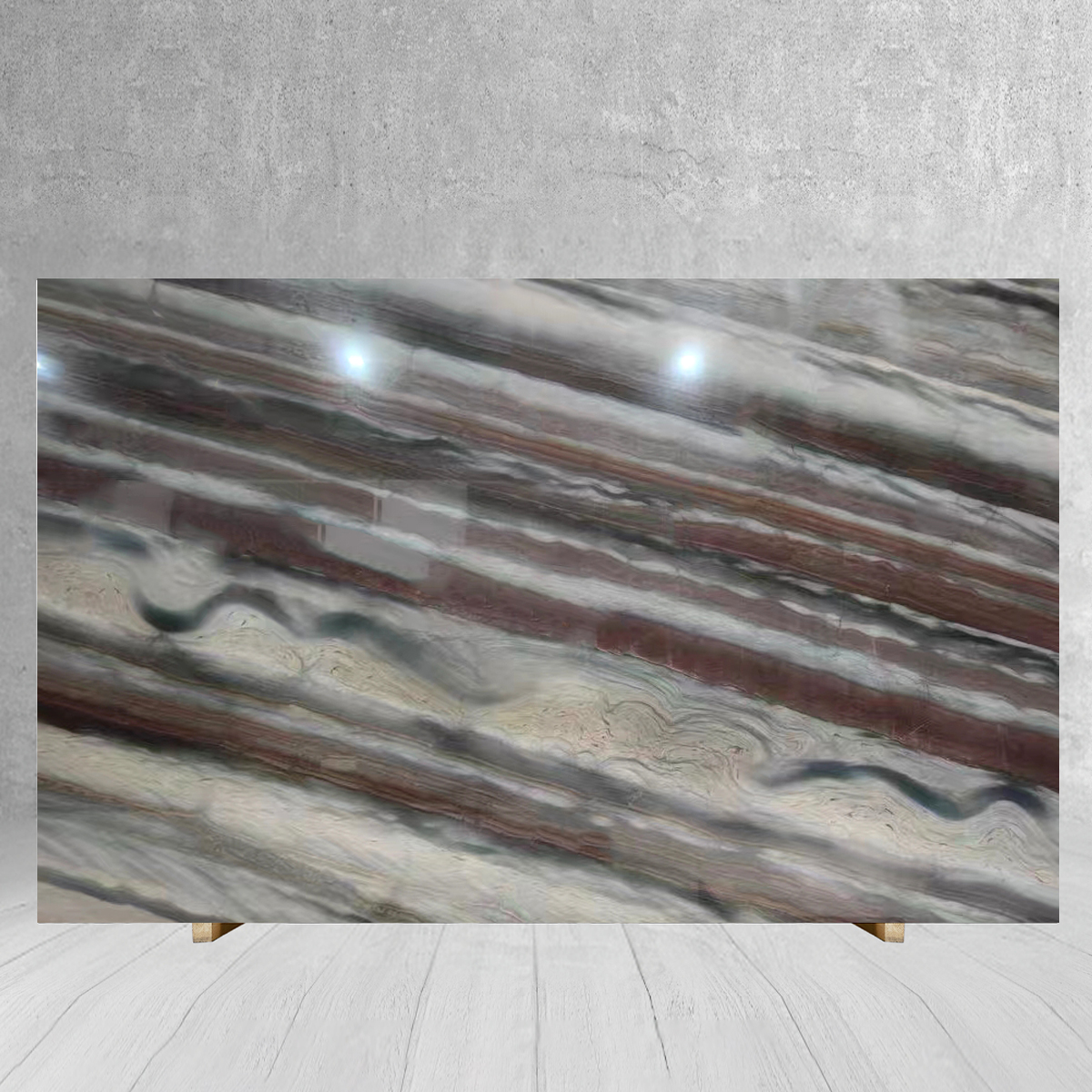
Finish choice is both a safety and visual decision, and the same stone can perform very differently polished versus textured.
- Polished finishes heighten color and veining for feature floors, walls, and formal furniture pieces, but can be slick in wet conditions and demand operational vigilance where slip risk exists.
- Honed finishes are matte and refined, often preferred for floors and worktops where reduced reflectivity, tactile comfort, and improved traction are desired.
- Brushed/leathered finishes add fine texture that hides minor wear and improves grip for kitchens, terraces, and hospitality spaces.
- Flamed or sandblasted finishes deliver strong texture and high traction, ideal for exterior stairs, pool surrounds, and exposed paving, particularly in granites. When safety is critical, confirm finish suitability with recognized slip testing protocols and align selections with local code or brand standards.
Thickness, Tolerances, And Support
Common slab thicknesses of 20 mm and 30 mm cover most floors, counters, stairs, and wall panels, with thicker formats favored for longer spans, higher loads, and exposed edges. Dimensional control—flatness, thickness, squareness, and edge finish—should be verified against recognized product standards and the project’s QA/QC plan to avoid cumulative tolerance issues during installation. Structural supports, substrate stiffness, adhesive selection, and anchorage must be coordinated with slab weight and geometry to prevent warping, cracking, or delamination under service conditions.
Grading And Visual Consistency
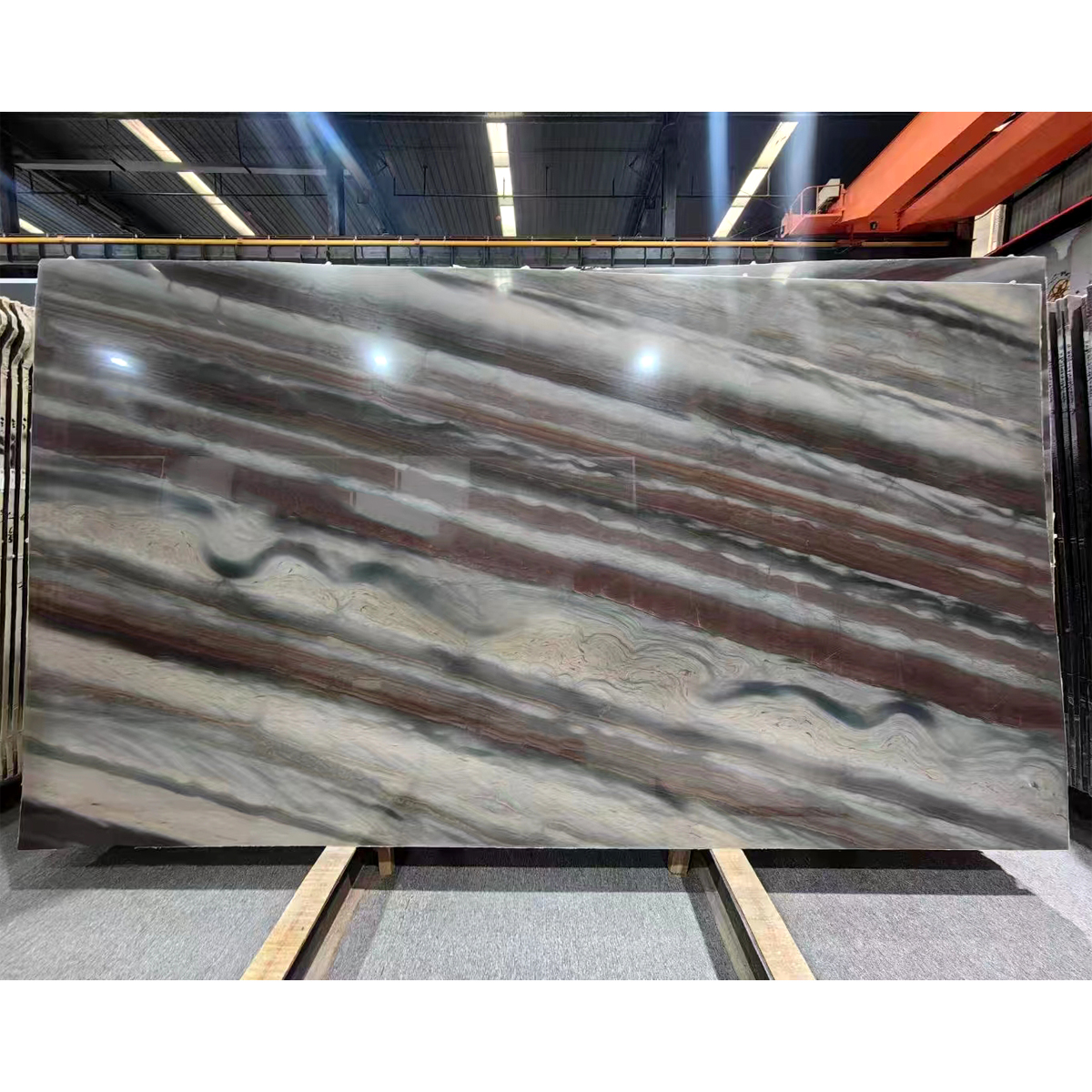
Grading reflects both aesthetic uniformity and structural soundness, with premium grades offering tighter veining, fewer filled fissures, and more consistent thickness than commercial grades. On significant orders, viewing and reserving full slabs from the same lot, setting appearance “control samples,” and approving range variations in writing ensures that delivered material reflects the design intent. Dry layouts and digital slab mapping for bookmatched walls or long runs of flooring reduce surprises and align vein direction with the space.
Furniture And Fit‑Out Integration
Integrating slabs into furniture—dining tables, coffee tables, consoles, reception desks—adds visual continuity and elevates perceived quality when the same material batch is used across surfaces. For these elements, span, edge detail, reinforcement at cutouts, and concealed steel frames or ribs should be coordinated with the fabricator to control deflection and protect vulnerable corners. Finish selection influences both touch and maintenance—honed or leathered often mask fingerprints and micro-scratches, while polished surfaces deliver formal elegance in signature spaces.
Logistics And Safety For Large Slabs
Large slabs carry inherent handling risk, and regulators document fatalities linked to unloading, racking, and transport when best practices are not followed. Use engineered A-frames and racking designed for slab weights, maintain proper lean and securement, and keep untrained personnel clear of loading and unloading zones. OSHA emphasizes planning, training, correct rigging, exclusion zones, and equipment inspection; avoiding the slab’s fall shadow and using suitable lifting gear on stable surfaces are baseline requirements. Early coordination on site access—crane reach, hoist and elevator capacities, turning radii, and door clearances—avoids forced cuts or unsafe maneuvers with monolithic pieces.
Case Lessons: Movement, Mock‑Ups, And Methodology
Projects that fail to accommodate substrate movement and thermal change can experience cracking and debonding even with otherwise excellent stone and finishes. Proper jointing, substrate preparation, compatible setting materials, and realistic movement detailing transform a beautiful design into a durable system rather than a fragile surface. Successful hospitality and civic projects routinely employ preconstruction mock‑ups to validate bond strength, flatness, slip performance, and jointing strategy before full production.
Submittals, QA/QC, And Documentation
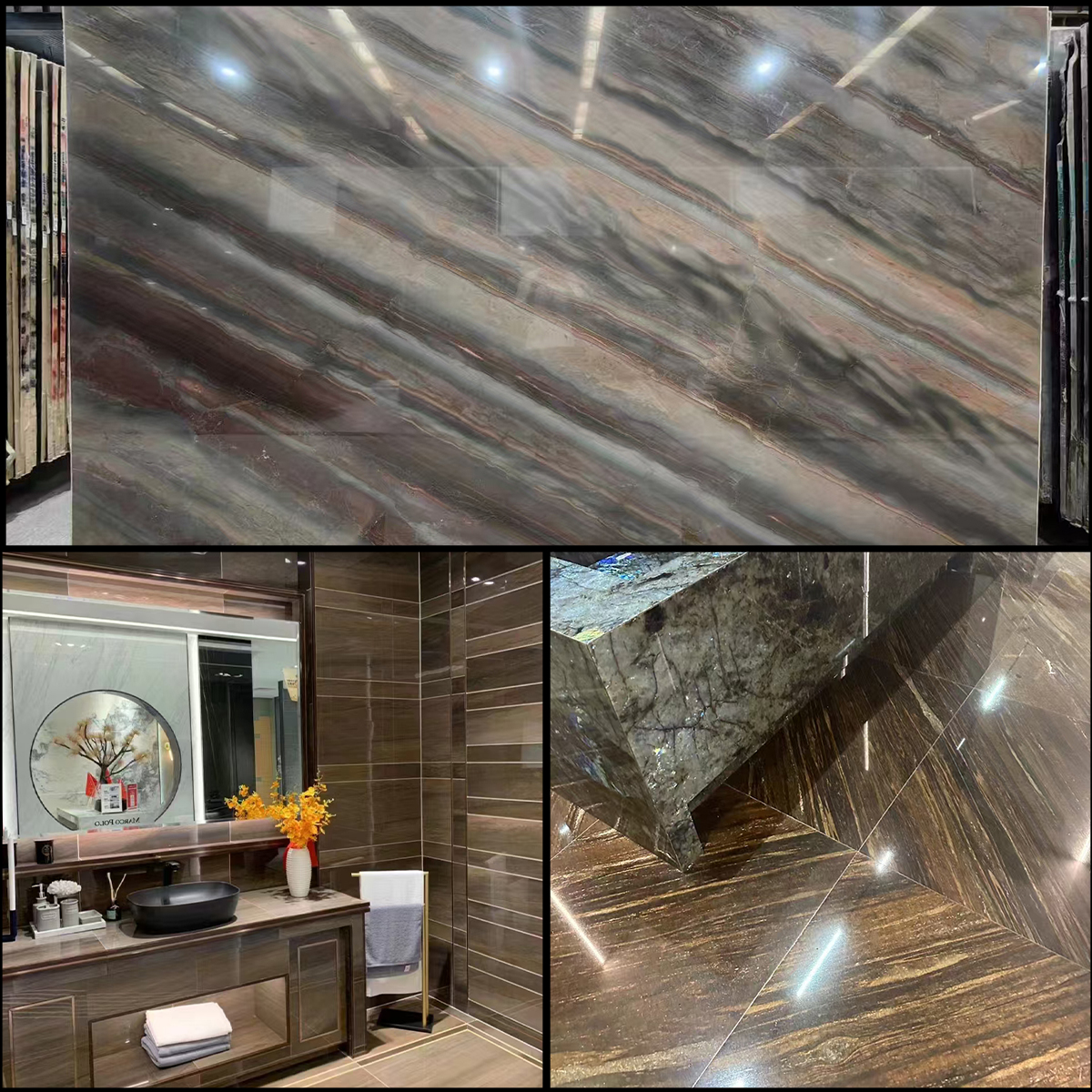
A complete submittal set should include quarry/lot identification, control samples, test reports for ASTM/ANSI properties, finish specifications, fabrication drawings, and an installation and maintenance plan. Factory and site QA/QC should verify slab identity against approved samples, check dimensional tolerances, confirm finish uniformity, and record any allowed range variation for transparency. For performance-critical areas, require third‑party testing or certification where prior data is not representative of the exact lot or finish.
Regional And Project-Type Considerations
Exterior use, freeze–thaw exposure, de‑icing salts, and heavy traffic push specifications toward denser stones, robust finishes, and documented slip resistance. Interiors can prioritize visual continuity and tactile quality but still benefit from finishes and jointing strategies tuned to cleaning regimens and expected wear patterns. High-end residential and hospitality projects often justify premium grade selection and rigorous slab mapping for signature spaces, while large-scale developments may blend premium feature areas with value‑engineered back‑of‑house zones.
A Practical Specification Checklist
- Confirm material-by-application fit using test data: absorption (ASTM C97), compressive strength (ASTM C170), and flexural strength (ASTM C99/C880), plus slip testing where applicable.
- Choose finishes that balance aesthetics with safety, validating slip resistance with recognized methods for wet or exterior conditions.
- Select appropriate thickness and verify tolerances; align substrate stiffness, anchorage, and adhesives with slab weight and span.
- Approve appearance control samples and reserve slabs by lot; require dry layouts or digital mapping for vein continuity and bookmatching.
- Integrate furniture and fit‑out pieces into the same slab package for visual continuity, planning reinforcements at cutouts and overhangs.
- Develop a logistics and safety plan covering racks/A‑frames, rigging, exclusion zones, and trained personnel per OSHA guidance.
Why Future Stone Group
Future Stone Group supplies premium marble slabs, tiles, and custom furniture tops alongside engineered solutions, enabling unified specifications across flooring, walls, counters, and statement pieces. The portfolio covers natural stone categories and high-conversion furniture formats such as marble dining tables and coffee tables, allowing projects to combine luxury aesthetics with documented performance and dependable supply.
By anchoring selection in standards-based testing, specifying finishes for functional safety, enforcing grading and tolerance control, and engineering the logistics from day one, natural stone slabs become a durable, elevated asset for any project—and the hallmark of considered design.
Natural stone slab project selection guide
The original article covers performance, testing, finishes, support and safe handling. This project selection layer turns those principles into a practical buying process for architects, designers, contractors, importers and homeowners comparing natural stone slabs for a real order. Start with the application and the installation conditions, then approve the exact slab lot, finish, dimensions and fabrication route before comparing prices.
A stone name alone is not a complete specification. Marble, granite, travertine, onyx and quartzite can each perform well in the right setting, but the final choice depends on traffic, moisture, slip exposure, span, maintenance, visual range, usable yield and the documentation the supplier can provide for the actual material being shipped.
Natural stone slab selection matrix
| Material family | Typical project fit | What to approve before production | Common decision risk |
|---|---|---|---|
| Marble | Luxury interiors, bathroom vanities, feature walls, fireplaces, counters and stone furniture | Vein direction, current slab photos, finish sample, maintenance expectation, thickness and bookmatch layout | Choosing by color name without checking etching, fissures, surface finish or the exact slab range |
| Granite | Kitchen countertops, stairs, exterior steps, high-traffic floors, paving and commercial applications | Color and grain range, absorption or test data, finish, edge details, thickness, cut-outs and slip requirements | Assuming every finish and thickness is suitable for wet, outdoor or heavy-use conditions |
| Travertine | Warm floors, wall panels, bathrooms, terraces, villa interiors and hospitality spaces | Filled or unfilled surface, void treatment, finish sample, sealing plan, module size, spare quantity and packing | Approving a showroom sample without confirming the pore pattern and maintenance scope of the delivered lot |
| Onyx | Backlit feature walls, bars, reception counters, bathroom features and statement furniture | Translucency test, backlight layout, vein direction, reinforcement, thickness, panel numbering and handling plan | Focusing on appearance while under-planning support, fragile edges, lighting and installation sequence |
| Quartzite | Kitchen worktops, high-use interiors, wall panels, floors and projects needing a natural stone alternative | Exact material identity, current slab photos, finish, thickness, edge profile, test information, cut-outs and yield | Using a trade name without confirming the actual stone characteristics and fabrication limits of the selected lot |
Natural stone slab approval checklist
| Approval stage | Buyer evidence to request | Why it matters |
|---|---|---|
| Material identity and current slab lot | Commercial name, origin or source, block or lot reference, current slab photos and available quantity | Connects the approved appearance with the material that will actually be fabricated. |
| Appearance and layout | Full slab images, vein direction, dry-lay or bookmatch plan, control sample and acceptable range variation | Prevents a color or vein mismatch across a feature wall, island, floor run or furniture package. |
| Size and thickness | Usable slab dimensions, thickness tolerance, finished yield, joints, edge profiles and spare allowance | Confirms that the material can produce the required pieces without an avoidable shortage. |
| Finish and performance | Finish sample, gloss or texture target, sealing or care notes, slip requirement and test information where applicable | Links the visual finish to actual maintenance, safety and use conditions. |
| Fabrication and QA/QC | Cut-to-size drawings, openings, reinforcement, piece labels, inspection photos, defect notes and approval milestones | Creates a traceable path from approved slab to finished project components. |
| Export packing and site handoff | Crate marks, packing list, protective separators, loading photos, crate dimensions, gross weight and delivery responsibility | Reduces damage, unloading confusion and missing-piece risk after the shipment leaves the factory. |
Natural stone slab RFQ handoff checklist
- Application: identify the room and use, such as kitchen countertop, bathroom vanity, wall panel, floor, staircase, fireplace, dining table, coffee table or hotel lobby package.
- Material brief: state the preferred stone family, commercial reference, acceptable alternatives, origin preference, background tone, vein movement and whether full slab photos or physical samples are required.
- Technical scope: send plan and elevation drawings, slab or cut-to-size dimensions, thickness, edge profiles, joints, sink or cooktop cut-outs, holes, reinforcement and tolerance requirements.
- Approval and production: request the finish sample, current slab lot photos, dry-lay or bookmatch review, QC inspection stage, piece labels, defect or resin notes and replacement treatment.
- Commercial terms: ask for slab or cut-to-size pricing, usable yield, MOQ, sample cost, fabrication charges, lead time, payment terms, warranty scope and exclusions on the quotation.
- Shipping handoff: confirm Incoterm, destination port, crate dimensions, gross and net weight, crate marks, packing list, loading photos, insurance, local unloading and site delivery responsibility.
For material-specific sourcing, compare the marble slab collection, granite slabs, travertine slabs and tiles, natural onyx slabs and quartzite slabs in the Stone Gallery. For use-case planning, review custom stone projects, kitchen countertop applications, wall and floor tile applications and custom stone furniture. Confirm slab thickness, finish selection and export packing before sending the final specification to FutureStone for an RFQ.
FAQ
How do I choose natural stone slabs for a project?
Start with the application, traffic, moisture, climate, maintenance plan, required dimensions and visual intent. Then compare the material family, exact slab photos, finish sample, thickness, fabrication capability, quality evidence, packing plan and total delivered scope before approving the order.
What should be approved before ordering natural stone slabs?
Approve the commercial stone reference, current slab lot, full slab photos, physical and finish samples, thickness, cut-to-size drawings, edge and opening details, dry-lay or bookmatch layout, inspection evidence, crate marks, export packing and delivery responsibility.
Can one supplier provide different natural stone slab types for a project?
Yes. A project supplier can coordinate marble, granite, travertine, onyx or quartzite for different rooms when each material has separate approval records, drawings, finish requirements, piece labels, QC evidence and packing instructions.
Need a material or project recommendation?
Share the page, material target or project requirement with our team.