
Homeowners and designers increasingly turn to engineered stone solutions for their most moisture-prone spaces. Artificial marble for kitchen and bathroom installations offers a compelling alternative to natural stone, combining the luxurious appearance of quarried marble with superior performance characteristics. Unlike traditional marble that demands constant sealing and careful maintenance, engineered marble products deliver worry-free elegance in high-humidity environments. This comprehensive guide explores how artificial marble slabs solve common challenges in kitchens and bathrooms while providing design flexibility that natural stone cannot match.
What Makes Artificial Marble Ideal for Wet Environments
The fundamental advantage of artificial marble lies in its non-porous surface structure. While natural marble contains microscopic channels that absorb liquids and harbor bacteria, engineered marble creates a completely sealed barrier against moisture infiltration. This distinction transforms performance in kitchen and bathroom settings where water exposure occurs daily.
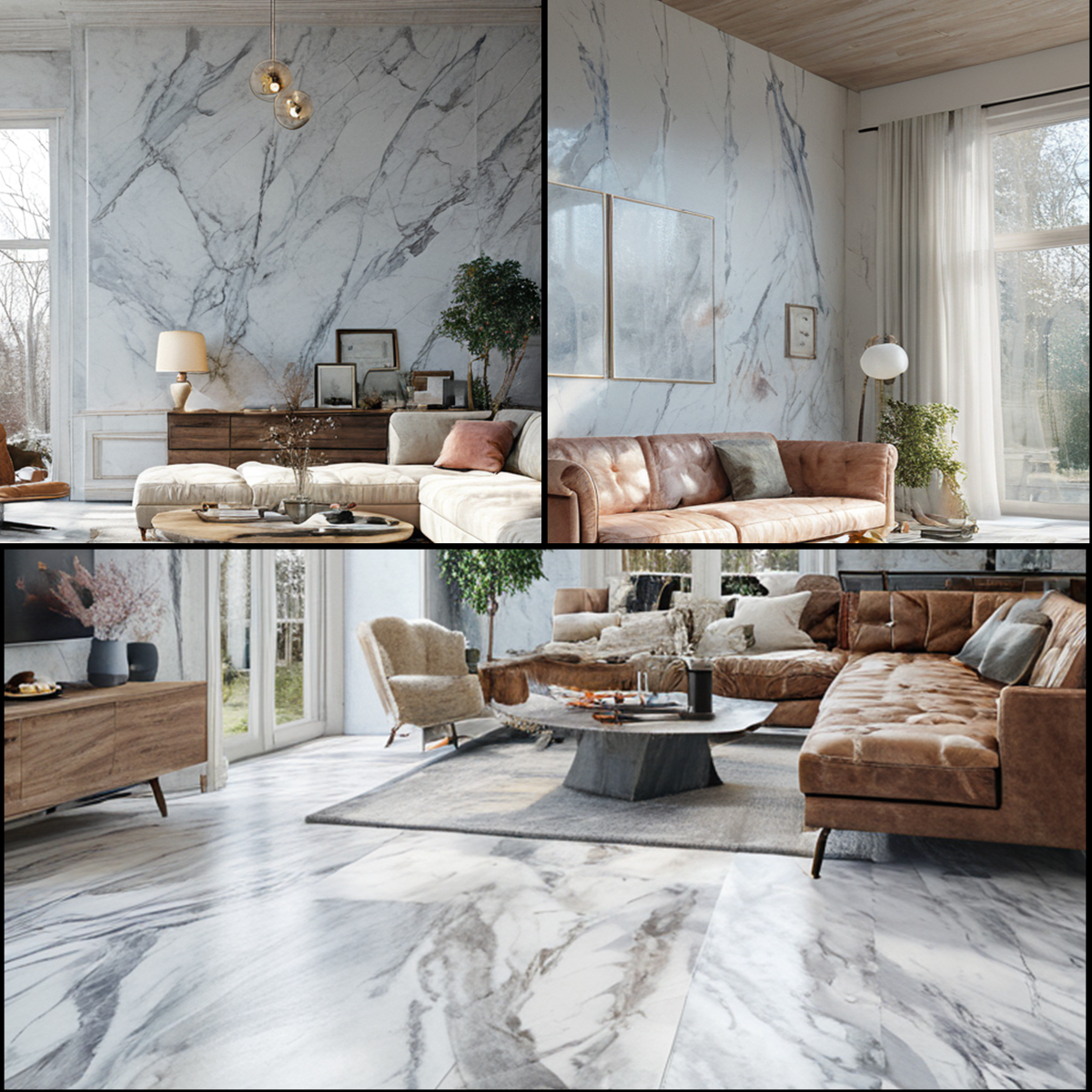
Natural marble requires professional sealing every six to twelve months to maintain stain resistance. The porous nature of quarried stone makes it vulnerable to discoloration from common substances like coffee, wine, and acidic foods. Artificial marble eliminates this maintenance burden entirely through its manufacturing process, which permanently seals the material during production.
The engineering process also addresses natural stone's chemical sensitivities. Traditional marble etches when exposed to acidic substances—a significant concern in kitchens where lemon juice, vinegar, and tomato-based foods are common. Artificial marble for kitchen applications withstands these exposures without damage, maintaining its polished appearance through years of cooking and food preparation. Bathroom environments present similar challenges with cosmetics, perfumes, and cleaning products that would harm natural marble but leave engineered surfaces unaffected.
Moisture resistance extends beyond surface protection. The non-porous characteristic prevents mold and mildew growth within the material itself. This makes artificial marble particularly valuable in shower enclosures, tub surrounds, and bathroom vanities where humidity levels remain consistently elevated. The material's immunity to moisture-related deterioration ensures long-term structural integrity that natural stone cannot guarantee in wet environments.
Kitchen Applications: Countertops to Backsplashes
Countertop Performance and Durability
Artificial marble countertops deliver exceptional resistance to the daily challenges of kitchen use. The engineered surface withstands heat from hot cookware better than many alternatives, though trivets remain recommended for extremely hot items. Scratch resistance surpasses natural marble significantly—routine cutting board use and kitchen tool contact leave engineered surfaces unmarked while natural marble would show wear patterns within months.
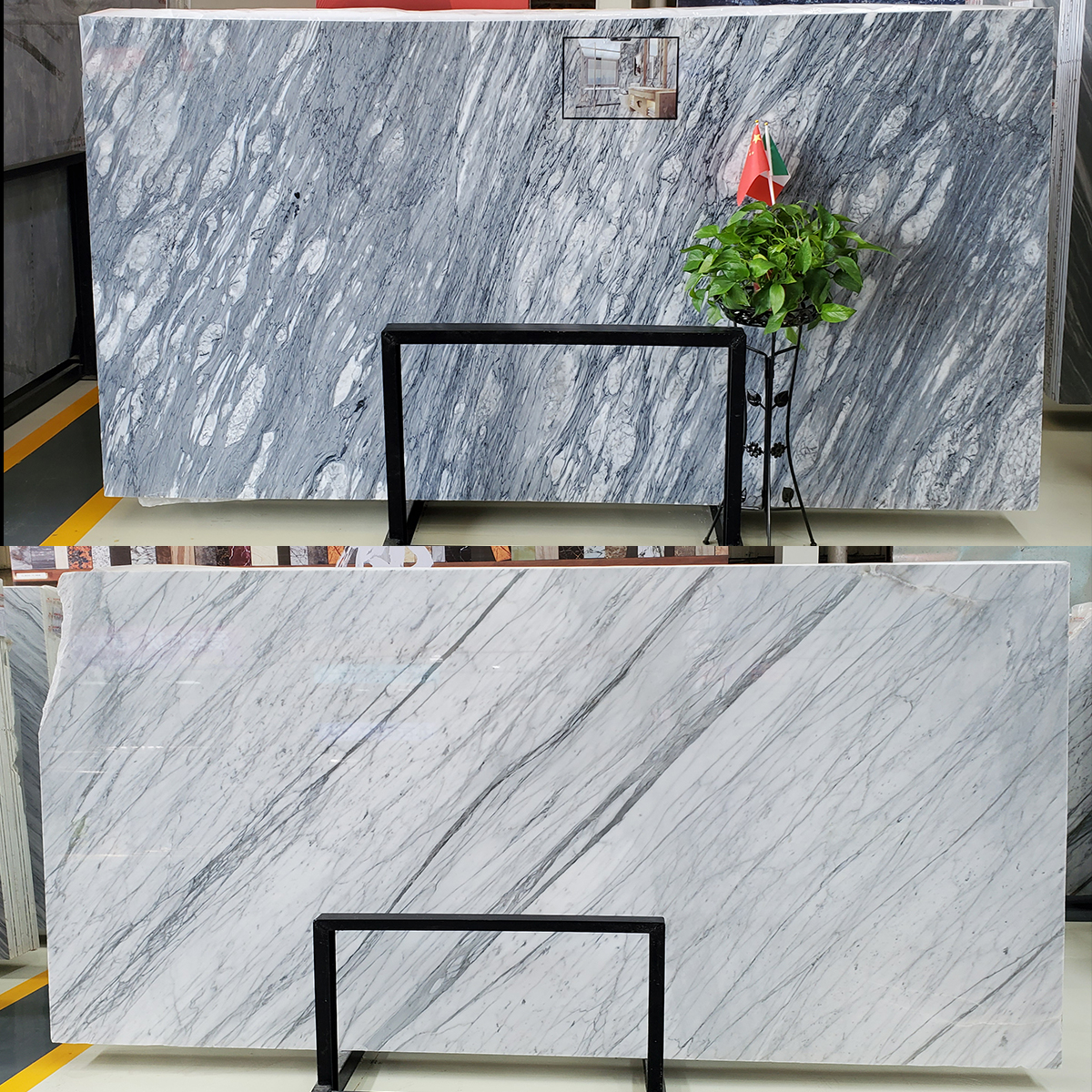
Food staining represents one of natural marble's most problematic weaknesses in kitchen settings. Beetroot juice, turmeric, and berry stains that would permanently discolor natural stone wipe clean from artificial marble with simple soap and water. This stain resistance maintains the pristine appearance that homeowners desire without requiring specialized cleaning products or professional restoration services.
Flooring Solutions for High-Traffic Areas
Kitchen flooring demands materials that withstand constant foot traffic, dropped items, and spill exposure. Artificial marble slabs provide durability advantages over natural stone in these applications. The consistent composition throughout the material ensures uniform strength without the natural fissures and weak points that compromise quarried marble. Impact resistance proves superior—dropped cookware and kitchen equipment less frequently chip or crack engineered surfaces.
Maintenance simplicity extends to flooring applications. Daily sweeping and occasional damp mopping with mild detergent maintain appearance without the sealing requirements of natural stone floors. The non-porous surface prevents liquid absorption that could lead to staining or deterioration of the substrate beneath—a common issue with improperly sealed natural marble flooring.
Backsplash and Wall Panel Installations
Seamless backsplash installations showcase artificial marble's design advantages. Large-format slabs minimize grout lines that trap cooking residue and require scrubbing. The material's moldability during manufacturing enables curved transitions and integrated features impossible with rigid natural stone tiles. Water resistance makes cleanup effortless—splattered cooking oils and food particles wipe away without penetrating the surface.
Color consistency across multiple slabs simplifies matching backsplashes to countertops. Natural marble's variation between slabs can create unwanted contrast, while artificial marble maintains uniform appearance. Customized options like light brown artificial marble for warm traditional kitchens or dark brown artificial marble for contemporary contrast integrate seamlessly with cabinetry and flooring selections. The ability to specify exact color tones ensures cohesive design execution from initial planning through final installation.
Bathroom Vanity and Countertop Solutions
Integrated Sink Designs Eliminate Maintenance Headaches
Cultured marble vanity tops with integrated sinks represent a significant advancement over traditional drop-in or undermount installations. The seamless construction eliminates the junction between countertop and basin—the problematic area where mold, mildew, and soap scum typically accumulate. Without crevices for moisture penetration, these integrated designs maintain hygienic surfaces with minimal cleaning effort.
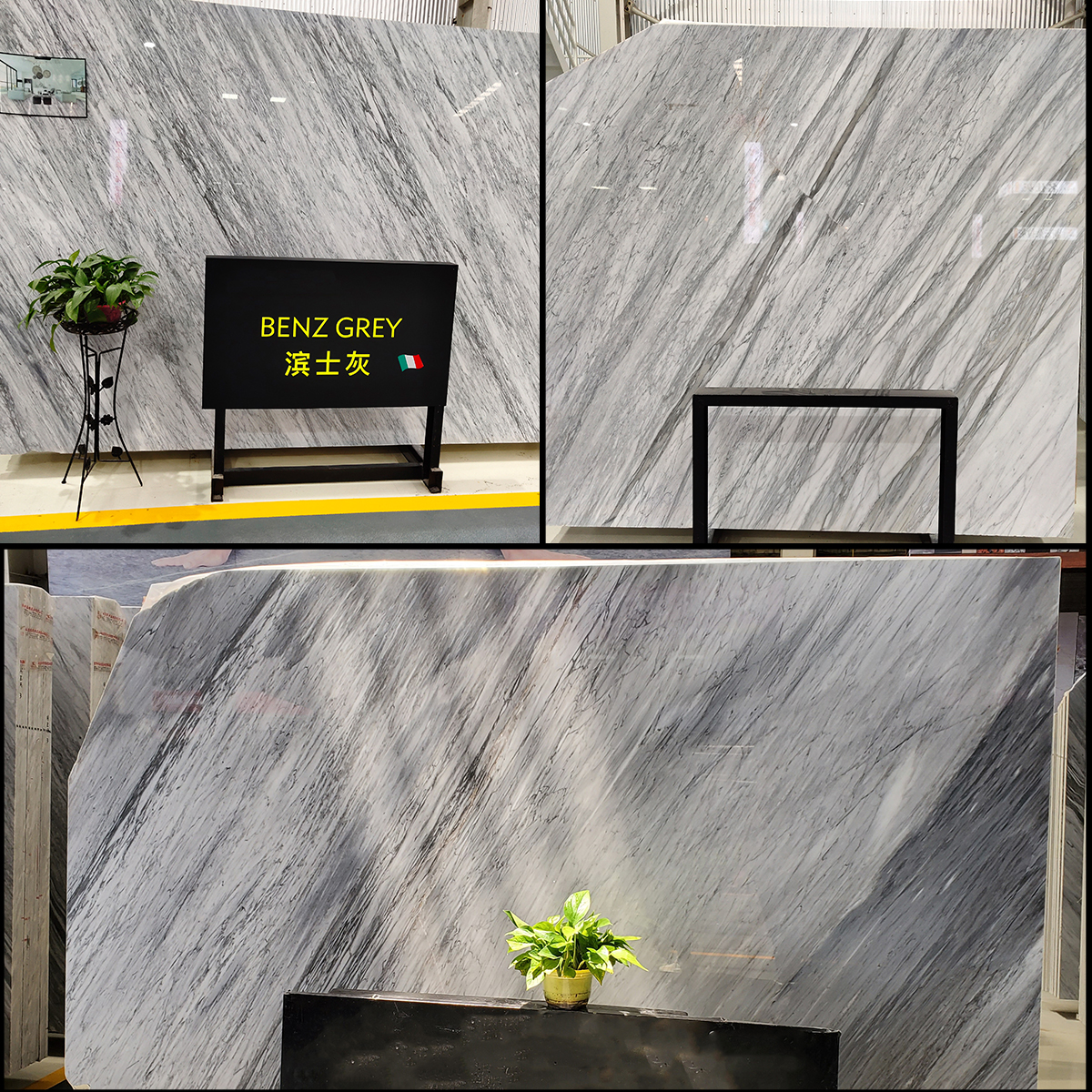
The one-piece construction also prevents the water damage that plagues traditional vanity installations. Silicone caulking around conventional sinks eventually deteriorates, allowing water to seep beneath the surface and damage cabinetry. Integrated cultured marble eliminates this failure point entirely, protecting the underlying structure while simplifying installation and reducing long-term maintenance costs.
Daily Use Resistance and Stain Prevention
Bathroom vanities face constant exposure to water, cosmetics, hair products, and toiletries. Natural marble stains readily from nail polish, makeup, perfumes, and common bathroom products. Engineered marble surfaces resist these substances without discoloration or surface degradation. Toothpaste residue, soap deposits, and hard water spots wipe clean without the etching or dulling that affects natural stone.
The non-porous surface characteristic proves particularly valuable for households with multiple users. Heavy daily use that would accelerate natural marble deterioration leaves artificial marble vanities looking fresh years after installation. The protective gel coat applied during manufacturing provides an additional barrier against wear, ensuring the polished appearance persists through decades of bathroom routines.
Custom Shapes and Size Flexibility
Manufacturing processes enable custom vanity dimensions that accommodate unique bathroom layouts. Angled corners, curved edges, and non-standard depths present no limitations for artificial marble fabrication. This adaptability proves essential for renovations where existing plumbing locations constrain design options or new construction where architectural features require tailored solutions.
Cost Comparison with Alternatives
Budget-conscious renovations benefit from artificial marble's pricing advantages. Premium natural marble vanities typically cost 40-60% more than comparable engineered options while demanding higher maintenance investment. Quartz alternatives offer similar durability but often lack the warm aesthetic and customization capabilities of cultured marble. The combination of lower material costs, reduced installation complexity, and eliminated ongoing maintenance makes artificial marble vanities a financially sensible choice without aesthetic compromise.
Cultured Marble Bathtubs and Shower Installations
Luxury Bathtub Options and Spa-Like Features
A cultured marble bathtub transforms ordinary bathrooms into personal retreats. The manufacturing process enables freestanding tub designs with graceful curves and sculptural forms impossible to achieve with natural stone slabs. These statement pieces anchor bathroom design while providing superior heat retention—the material's composition holds water temperature longer than acrylic or fiberglass alternatives, extending the comfort of relaxing soaks.
Jacuzzi and whirlpool installations benefit from cultured marble's seamless construction. The jet openings integrate cleanly into the tub surface without the cracking risks associated with drilling through natural marble. The smooth, non-porous finish prevents calcium buildup around jets and simplifies cleaning compared to textured acrylic surfaces. Customization options allow precise sizing for alcove installations or specific dimensional requirements in luxury primary suites.
Shower Wall Panels and Surround Systems
Cultured marble shower surrounds eliminate the grout lines that characterize traditional tile installations. Large-format panels cover entire walls with minimal seams, creating a sophisticated appearance while drastically reducing cleaning requirements. The absence of grout prevents the mold growth, discoloration, and crumbling that necessitates tile renovation within 10-15 years. Engineered marble surrounds maintain their appearance indefinitely with basic cleaning.
Installation efficiency represents another significant advantage. Multi-piece surround systems install in hours rather than the days required for tile work. The lighter weight compared to natural stone simplifies handling and reduces structural support requirements. This faster installation timeline minimizes bathroom downtime during renovations—a crucial consideration for households with limited facilities.
Waterproofing performance surpasses tile installations. While tile depends on grout and underlying membranes for water protection, cultured marble creates an inherently waterproof barrier. The seamless construction prevents moisture migration to wall substrates, eliminating the rot and mold issues that compromise tile shower integrity over time.
Shower Pan Applications and Floor Solutions
Cultured marble shower pans provide durable, stain-resistant flooring alternatives. Unlike natural stone that requires careful sealing to prevent water absorption and staining, engineered pans perform reliably without maintenance. The material resists soap scum accumulation and hard water deposits that discolor natural stone and textured fiberglass bases.
Custom shower pan fabrication accommodates curbless entries for accessible designs or unique drain placements for specific architectural requirements. The ability to create integrated thresholds and sloped floors during manufacturing ensures proper drainage without the multiple components and sealing requirements of site-built alternatives. This custom capability particularly benefits aging-in-place renovations where barrier-free access enhances safety and independence.
Installation Process and Professional Considerations
Proper cultured marble bathtub and shower installation requires experienced contractors familiar with the material's characteristics. Substrate preparation ensures adequate support—while lighter than natural stone, a cultured marble bathtub still demands reinforced flooring and level surfaces. Professional templating captures precise dimensions before fabrication, ensuring perfect fit and minimizing on-site adjustments.
The installation timeline typically spans templating, manufacturing, and installation phases over 3-4 weeks. Templating occurs first, with measurements sent to fabricators. Manufacturing requires 1-2 weeks depending on customization complexity. Final installation and finishing generally completes within one day for straightforward replacements or 2-3 days for complete bathroom renovations including surrounding work.
Key Benefits Over Natural Marble and Other Materials
Durability Advantages and Longevity
Engineered marble outlasts natural stone in demanding applications. The consistent composition throughout artificial marble slabs eliminates weak points where natural stone develops cracks. Impact resistance proves superior—edges and corners withstand bumps and strikes that would chip natural marble. The protective gel coat on cultured marble products provides additional damage resistance while maintaining gloss retention.
Scratch resistance surpasses both natural marble and softer materials like solid surface composites. Daily use items including cosmetic containers, kitchen utensils, and cleaning tools leave engineered surfaces unmarked. While extreme abuse can damage any material, normal household use maintains artificial marble's appearance for 20-30 years or more.
Maintenance Simplicity and Cost Savings
The elimination of sealing requirements represents substantial long-term savings. Natural marble demands professional sealing every 6-12 months at $150-300 per application. Over a 20-year period, this maintenance accumulates to $3,000-6,000 in additional costs beyond the initial installation. Artificial marble requires only soap and water cleaning—no specialized products, professional services, or periodic treatments.
Daily maintenance takes minutes rather than hours. The non-porous surface releases dirt and grime with simple wiping, while natural marble's porosity requires more aggressive cleaning to remove absorbed contaminants. The absence of grout lines in shower and backsplash applications further reduces cleaning time by eliminating scrubbing and periodic regrounding.
Design Flexibility and Customization Options
Manufacturing processes enable color and pattern options unavailable in natural stone. Consistent veining patterns create uniform appearance across large installations, while natural marble's variation can create unwanted contrast between slabs. Custom color matching allows precise coordination with paint colors, cabinetry finishes, and flooring selections.
Form flexibility expands design possibilities beyond natural stone limitations. Curved edges, integrated features, and complex shapes fabricate easily during manufacturing. Backsplash curves, bullnose edges, and sculptural vanity designs that would require expensive hand-carving in natural stone integrate seamlessly into artificial marble production. This design freedom enables distinctive installations that elevate interiors beyond standard applications.
Cost Efficiency and Value Proposition
Artificial stone slab pricing typically runs 30-50% below premium natural marble. A high-end natural marble kitchen countertop installation averaging $150-200 per square foot compares to $75-120 for comparable artificial marble. The savings multiply across multiple applications—kitchen countertops, bathroom vanities, and shower surrounds in a whole-house renovation could preserve $10,000-15,000 in material and installation costs.
Value extends beyond initial purchase. The eliminated maintenance costs, superior durability, and longer replacement cycle create compelling total cost of ownership advantages. While natural marble may require replacement or restoration within 15-20 years in high-use areas, properly installed artificial marble maintains functionality and appearance for 30 years or more.
Repairability and Restoration
Surface damage that would require complete natural marble replacement often repairs successfully with artificial marble. Minor scratches and shallow chips respond to buffing and polishing techniques that restore original appearance. More significant damage accepts color-matched filler compounds that blend seamlessly when properly applied. This repairability extends useful life and prevents the complete replacement costs associated with damaged natural stone.
Selecting the Right Finish and Color Options
Light Brown Varieties for Traditional Warmth
Light brown artificial marble brings organic warmth to traditional and transitional designs. The earthy tones complement wood cabinetry, bronze fixtures, and natural fiber elements common in classic kitchen and bathroom aesthetics. These lighter shades maintain visual spaciousness in smaller rooms while adding sophisticated texture absent in solid white alternatives.
Veining options within light brown palettes range from subtle movement to dramatic contrast. Fine veining creates refined elegance suitable for formal powder rooms and traditional kitchens. Bolder veining patterns add visual interest to contemporary farmhouse styles or transitional designs bridging classic and modern elements. The ability to specify exact veining intensity during manufacturing ensures the finished installation aligns with design intentions.
Dark Brown Selections for Contemporary Drama
Customized dark brown artificial marble creates striking contrast in contemporary kitchens and bathrooms. The rich, deep tones anchor minimalist spaces with sophisticated warmth while complementing stainless appliances and modern fixtures. Dark artificial marble slabs particularly suit waterfall island edges, feature walls, and statement vanities where dramatic material choices enhance architectural impact.
The practical advantages of dark engineered marble extend beyond aesthetics. While natural dark marble shows water spots, soap residue, and hard water deposits prominently, artificial marble's composition resists these visible markers. The non-porous surface maintains consistent appearance between cleanings—an essential consideration for busy households where continuous maintenance proves impractical.
Beige and Neutral Tones for Design Versatility
Neutral beige artificial marble maximizes flexibility across design styles and future renovation plans. These versatile tones coordinate equally well with cool gray palettes and warm wood tones, enabling décor updates without surface replacement. The timeless quality of neutral stone ensures installations remain current through evolving design trends.
Multiple neutral shades within a single project create subtle depth without jarring contrast. Lighter beige vanities paired with slightly darker shower surrounds maintain color continuity while defining separate functional zones. This layered approach adds sophistication to monochromatic bathroom designs common in luxury hospitality and high-end residential projects.
Surface Finish Options and Their Applications
Polished finishes maximize light reflection and create formal elegance. The high-gloss surface enhances perceived space in smaller bathrooms while adding luxury appeal to kitchen countertops. Polished artificial marble particularly suits traditional and glamorous design styles where surface shine contributes to overall aesthetic impact. However, water spots and fingerprints show more readily on polished surfaces, requiring more frequent cleaning in heavy-use areas.
Honed finishes provide subtle sophistication with practical advantages. The matte surface conceals water spots, fingerprints, and minor wear more effectively than polished alternatives. This lower-maintenance characteristic suits family bathrooms, secondary kitchens, and high-traffic commercial installations. The understated elegance of honed finishes complements contemporary and minimalist designs where subtle material texture enhances rather than dominates spaces.
Coordinating Across Multiple Rooms
Creating visual continuity throughout homes requires matching artificial marble slabs across kitchen and bathroom installations. Consistent color and veining patterns unify disparate spaces while maintaining individual room character through layout and configuration variations. This coordinated approach particularly benefits open-concept floor plans where kitchen and adjacent spaces share sight lines.
The manufacturing consistency of engineered marble simplifies multi-room coordination. Unlike natural marble where slab variation complicates matching separate installations, artificial marble maintains precise color and pattern consistency across production runs. Homeowners can confidently specify the same material for kitchen countertops, bathroom vanities, and shower surrounds knowing the finished installations will coordinate seamlessly.
Installation Considerations and Professional Tips
Professional vs. DIY Installation Decisions
Complex cultured marble bathtub and multi-panel shower installations demand professional expertise. The specialized tools, templating requirements, and adhesive knowledge necessary for proper installation exceed typical DIY capabilities. Professional installation ensures manufacturer warranty validity—most coverage requires certified installer work. The cost differential between professional and DIY installation narrows when considering tool purchases, material waste from errors, and potential reinstallation expenses.
Simpler applications like vanity top replacements may accommodate experienced DIY work. Single-piece tops with integrated sinks install similarly to traditional countertops, requiring basic carpentry skills and common tools. However, even straightforward installations benefit from professional templating to ensure proper dimensions before purchase—expensive artificial marble slabs rarely accommodate on-site adjustments if measurements prove incorrect.
Substrate Preparation and Support Requirements
Proper substrate preparation determines installation longevity. Vanity cabinets require level, structurally sound tops capable of supporting uniform weight distribution. Uneven surfaces create stress points where artificial marble may crack over time. Professional installers assess and correct substrate issues before material installation, preventing failures that appear months or years later.
Shower wall installations demand waterproof backing appropriate for wet locations. While cultured marble panels themselves prevent water penetration, improper substrate selection allows moisture migration around panel edges and fastener penetrations. Cement board or foam backer specifically rated for continuous wet exposure provides necessary protection. This proper backing prevents the mold growth and structural deterioration that compromise installations despite quality surface materials.
Seaming Techniques for Large Installations
Extensive kitchen countertops and bathroom surfaces occasionally require multiple artificial marble slabs joined with seams. Professional fabricators place seams strategically—avoiding sink areas, minimizing visibility from primary viewpoints, and following natural pattern breaks in veining. Advanced color-matched epoxies create nearly invisible joints when properly executed.
The number of seams affects both appearance and cost. Larger slab sizes reduce seaming requirements but increase material and transportation expenses. Experienced fabricators balance these considerations, recommending optimal configurations based on room dimensions, material selection, and budget parameters. Their expertise prevents the excessive seaming that compromises aesthetics and the inadequate seaming that creates unwieldy installation challenges.
Timeline Expectations Through Project Phases
Realistic timeline planning prevents frustration during renovations. Initial consultations and material selection require 1-2 weeks for homeowners reviewing options and making informed decisions. Professional templating occurs after demolition but before final material ordering—this ensures measurements capture actual conditions rather than assumed dimensions.
Fabrication timelines vary by project complexity and manufacturer capacity. Standard vanity tops and straightforward shower surrounds typically require 7-10 business days. Custom colors, unusual dimensions, or integrated special features may extend manufacturing to 3-4 weeks. Installation duration ranges from several hours for simple vanity replacement to 2-3 days for complete bathroom renovations including cultured marble bathtubs, shower systems, and vanities.
Long-Term Care Instructions
Maintaining artificial marble's appearance requires minimal effort but consistent practices. Daily or weekly cleaning with warm water and mild dish soap prevents buildup that dulls surfaces over time. Microfiber cloths clean effectively without scratching, while abrasive scrubbers and harsh chemical cleaners should be avoided despite the material's durability.
Immediate spill cleanup prevents staining even on stain-resistant surfaces. While engineered marble resists most common substances, highly pigmented materials left for extended periods may require more aggressive cleaning. Simple attention during daily use—wiping counters after cooking, squegeeing shower walls after bathing—maintains pristine appearance with minimal time investment.
Periodic inspection identifies minor issues before they escalate. Checking caulk lines where artificial marble meets other surfaces prevents water infiltration. Examining integrated features like soap dishes and corner shelves ensures secure attachment. These simple maintenance practices preserve the substantial investment in quality artificial marble installations for decades.
Conclusion
Artificial marble delivers transformative benefits for kitchen and bathroom applications that natural stone cannot match. The non-porous surface eliminates sealing requirements, prevents bacterial growth, and resists staining from daily use. From cultured marble bathtubs and seamless shower surrounds to durable kitchen countertops and elegant vanities, engineered marble solves moisture-related challenges while providing design flexibility through customizable colors and finishes.
The comprehensive advantages—superior durability, maintenance simplicity, cost efficiency, and aesthetic versatility—make artificial marble slabs the intelligent choice for discerning homeowners and designers. Whether renovating a single bathroom or specifying materials for luxury residential projects, engineered marble provides lasting value that enhances both functionality and beauty in your home's most important spaces.
Ready to transform your kitchen or bathroom with premium artificial marble? Explore our extensive collection of engineered stone solutions, from light brown traditional styles to contemporary dark variations, and discover why Future Stone Group leads in luxury artificial marble supply for residential and commercial projects worldwide.
Kitchen and bathroom artificial marble procurement guide
Kitchen countertops, bathroom vanities, shower walls and bathtub surrounds need artificial marble with the right stain resistance, water exposure plan, slab thickness, finish, edge detail and cut-to-size accuracy. Confirm drawings, sink openings, backsplash height, finish sample and export packing before fabrication starts.
- Compare engineered stone options in the artificial marble category before choosing color and surface type.
- Review kitchen countertop project applications when the order includes counters, islands or vanity tops.
- Send kitchen or bathroom drawings through FutureStone contact for cut-to-size quotation and packing advice.