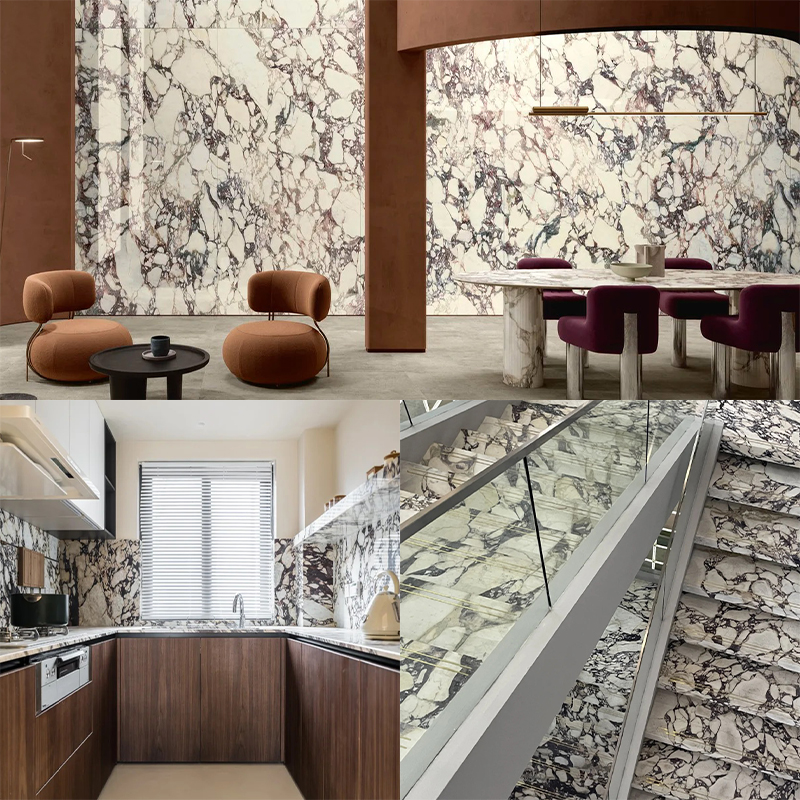
Introduction to MarbleMarble is a metamorphic rock primarily composed of calcite or dolomite, formed from limestone under high pressure and temperature. It is renowned for its aest
Marble is a metamorphic rock primarily composed of calcite or dolomite, formed from limestone under high pressure and temperature. It is renowned for its aesthetic appeal and physical properties, making it a popular choice in various applications.
Uses of Marble
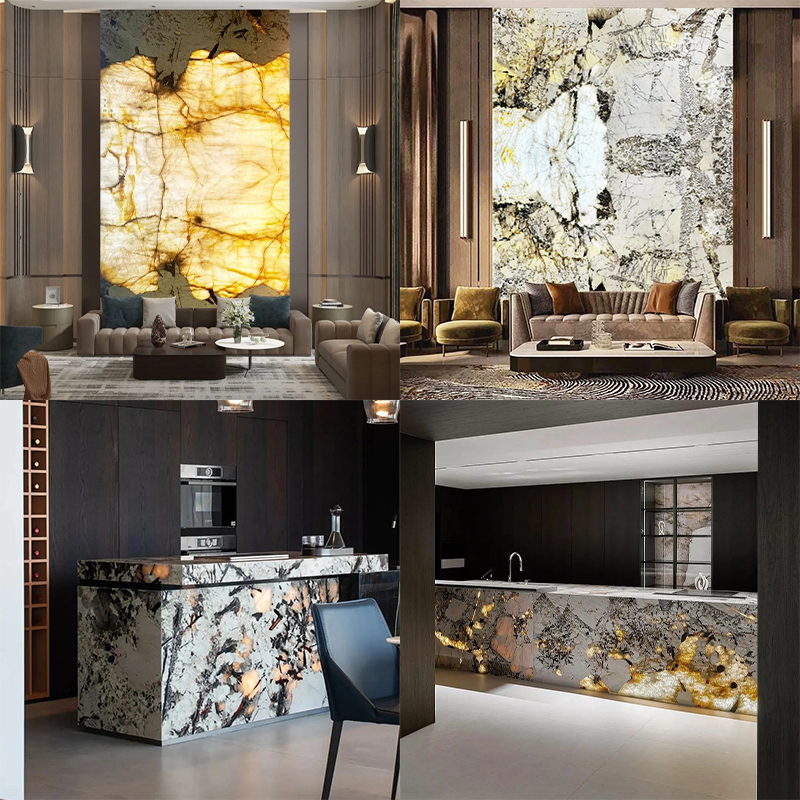
Architecture and Construction: Marble is extensively used in buildings and monuments, both for internal and external applications. Its translucent feature allows light to enter and give out a soft glow, and it can be highly polished, making it ideal for decorative purposes. Famous structures like the Taj Mahal and the Washington Monument are made of marble.
Sculptures: Due to its fine texture and ability to take a high polish, marble is a preferred material for creating statues and sculptures.
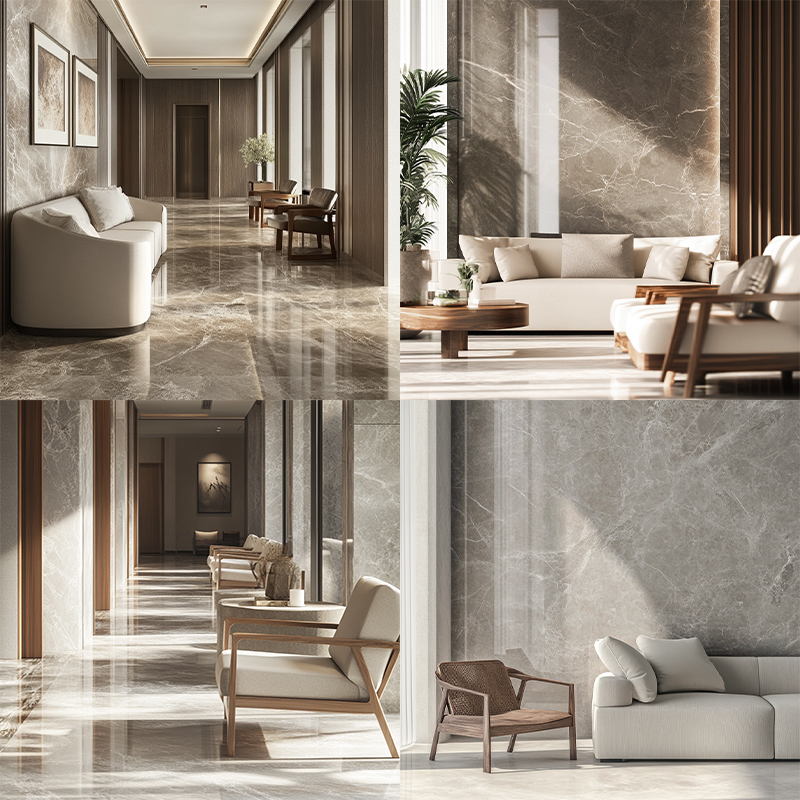
Flooring and Wall Cladding: Marble floors are durable, stylish, and offer a sense of elegance to interiors. They are available in a wide variety of colors, textures, and patterns.
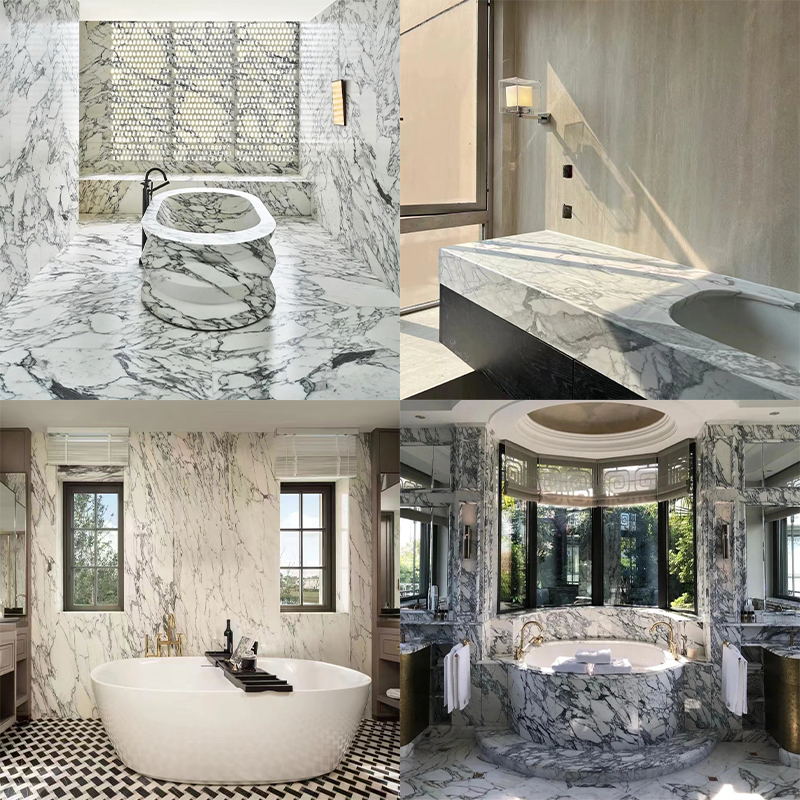
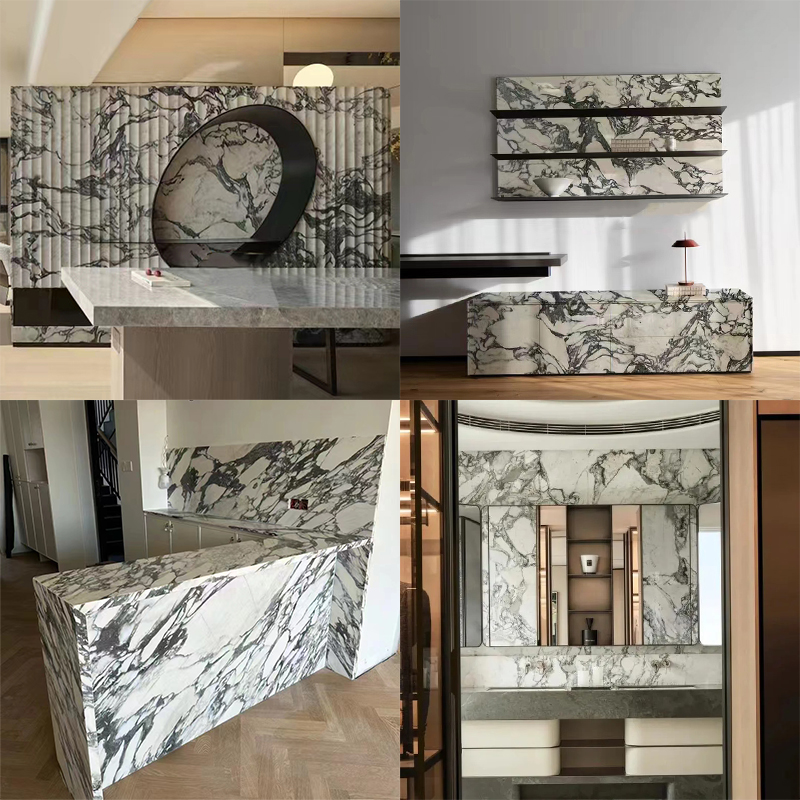
Countertops: Marble countertops are popular in kitchens and bathrooms due to their heat resistance and aesthetic appeal.
Staircases: Marble is used to construct elegant staircases, adding a touch of sophistication to any space.
Decorative Accents: Marble is also used for decorative elements such as fireplace surrounds, table tops, and novelties.
Types of Marble
Carrara Marble: Known for its elegant white or light gray background with fine gray veining, Carrara marble is widely used in sculptures and high-end architectural applications.
Calacatta Marble: Featuring a bright white background with bold gray or gold veining, Calacatta marble is a luxurious choice for countertops, flooring, and walls.
Emperador Marble: Available in dark and light varieties, Emperador marble showcases rich brown, beige, or gray tones with intricate veining, making it popular for flooring and decorative elements.
Travertine Marble: Characterized by its porous texture and earthy tones, Travertine is commonly used in outdoor applications, flooring, and rustic interior designs.
Nero Marquina Marble: A black marble with striking white veining, Nero Marquina is often chosen for modern and elegant interiors.
Price of MarbleThe cost of marble varies widely based on quality, thickness, and finish. It generally ranges from $40-100 per square foot. Marble is sold in slabs and tiles, with slabs used for larger applications and tiles for smaller, more detailed work.
Advantages of Marble
Timeless Beauty: Marble has a classic appeal that never goes out of style, making any space look elegant and sophisticated for years to come.
Durability and Strength: Its strength and hardness make it a reliable material for buildings and sculptures that stand the test of time.
Heat Resistance: Marble can withstand high temperatures, making it ideal for fireplaces and kitchen countertops.
Easy to Polish: Over time, marble may lose its shine, but it can be easily brought back to life with a new polish, restoring its lustrous finish.
Unique Patterns and Colors: Every piece of marble has distinct veining and color variations, ensuring no two marble surfaces are exactly alike, offering a unique touch to your space.
Translucent Features: The bright translucent marble floor displays light, making rooms brighter, open, and more spacious.
Ease of Cleaning: Marble surfaces are smooth and easy to clean, requiring only some detergent and water.
Cooling Effect: Marble is great in summers or temperate regions because it keeps the house cool.