
Natural stone, with its timeless elegance and versatility, remains a top choice for homeowners looking to enhance their living spaces. Whether adorning floors, walls, or countertops, natural stone adds a touch of sophistication to any room. However, when it comes to selecting the perfect finish for your stone—whether it's marble, granite, quartzite, or travertine—there are a few key factors to consider.
Honed Finish
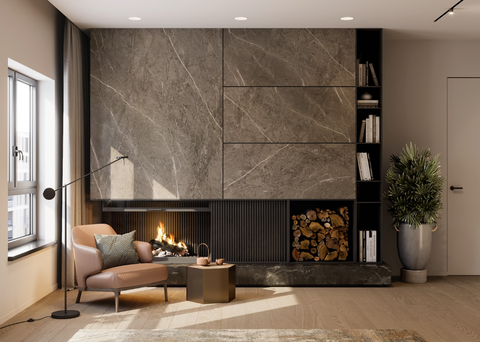
A honed finish boasts a matte texture. This understated finish lends a natural, organic look to natural stones, making it an ideal choice for those seeking a warm and inviting ambiance in their space. A honed finish won’t reflect light, allowing other design elements to take center stage. Additionally, its matte surface is adept at concealing minor surface damage, making it a practical choice for high-traffic areas. However, it's worth noting that honed marble tends to be more porous, requiring regular sealing to prevent staining and water damage.
Polished Finish
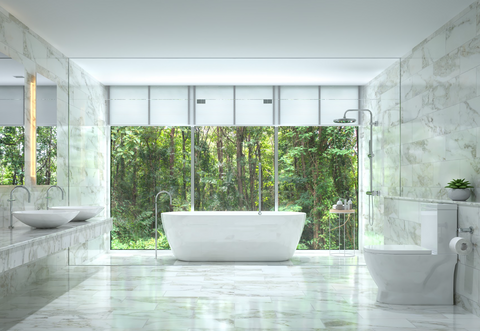
On the opposite end of the spectrum is the polished finish, renowned for its smooth, glossy surface. This high-shine finish reflects light beautifully, adding a touch of luxury to any room. A polished finish is an excellent choice for homeowners seeking a lavish aesthetic, as it effortlessly elevates the overall look and feel of a space. However, its glossy surface is more susceptible to scratches and can be slippery, making it less suitable for high-traffic areas. Despite this, polished marble is relatively resistant to stains, making it a popular option for countertops and bathroom walls.
Leathered Finish
In addition to honed and polished finishes, another option worth considering is the leathered finish. This unique texture strikes a balance between matte and glossy, offering a distinctive tactile experience. With its subtle sheen and soft, textured surface, a leathered finish adds depth and character to any space. It provides the best of both worlds—enhancing the natural beauty of the stone while offering increased durability and resistance to stains.
Marble finish selection decision guide
Honed, polished and leathered marble can all work well, but the right finish depends on the surface, traffic, moisture, lighting and maintenance plan. This quick guide is for buyers who need to choose a practical finish for a countertop, wall, floor, vanity, staircase or furniture project. For a wider technical comparison of seven marble finishes, review the marble finish selection guide for project buyers.
Honed vs polished vs leathered finish matrix
| Project use | Common starting choice | Main reason | Approval point |
|---|---|---|---|
| Kitchen countertop or island | Leathered or honed | A softer reflection and texture can reduce the visibility of fingerprints, water marks and minor etching | Approve the finish, edge profile, sink cut-out and cleaning plan on a physical sample |
| Bathroom vanity or wall panel | Honed or polished | Choose matte control for a calm surface or polished depth for stronger light reflection on vertical areas | Confirm water exposure, sealing schedule, joint layout and sample appearance under project lighting |
| Living room floor or entry | Honed or leathered | Lower reflectivity and more visual forgiveness can be useful in traffic areas | Confirm slip performance, wear expectations, cleaning method and spare-piece allowance |
| Feature wall, lobby or display surface | Polished | Gloss can increase color depth, vein contrast and the visual impact of bookmatched slabs | Approve slab photos, vein direction, bookmatch drawings, lighting and reflection tolerance |
| Stair treads or wet floor | Honed or textured alternative | Slip resistance normally matters more than maximum gloss on walking surfaces | Confirm the required slip standard, nosing detail, drainage and installation method before fabrication |
What buyers should confirm before approving a finish
Finish names alone are not enough for a commercial quotation. A supplier should confirm the exact stone, quarry or production lot, finish sample, gloss or texture expectation, slab thickness, edge detail, fabrication tolerance, cut-outs, bookmatch direction and application conditions. A screen image cannot replace a physical sample because color, reflection and texture change with stone structure and lighting.
- Material and sample: request current slab photos and a physical honed, polished or leathered sample from the same material family and production brief.
- Performance: confirm slip risk, stain and etch expectations, sealing requirements, cleaning limits and whether the surface is suitable for wet or high-traffic use.
- Fabrication: provide shop drawings for slab layout, seams, edge profiles, sink or hardware cut-outs, thickness and bookmatch direction before cutting.
- Quality and handoff: request pre-production approval, finish inspection, piece labels, dry-lay or nesting photos, crate marks, packing photos and the agreed delivery term.
Finish sample and RFQ checklist
For a comparable quote, send the stone name, intended application, finish preference, sample reference, slab or cut-to-size format, nominal thickness, dimensions, quantity, edge detail, cut-outs, bookmatch or dry-lay requirement, destination, packing requirement and installation deadline. If the buyer is undecided, request matched samples of honed, polished and leathered finishes on the same stone so the design team can compare appearance, grip, maintenance and cost on one basis.
Use the natural marble collection for material options, compare wall and floor tile applications for walking surfaces, and send the approved finish brief through FutureStone contact for slab photos, samples and a project quotation.
FAQ
Is honed marble better than polished marble for floors?
Honed marble is often the safer starting point for floors because it has less glare and can offer a more forgiving surface, but the final choice depends on wet exposure, traffic and the required slip performance. Confirm the finish sample, cleaning plan, drainage and installation details before approval.
Is leathered marble suitable for kitchen countertops?
Leathered marble can suit kitchen countertops when the buyer wants visible stone character with less emphasis on fingerprints and water marks. The textured surface still needs a finish sample, sealing plan, edge approval and cleaning instructions for the selected stone.
What should I request from a marble supplier before choosing a finish?
Request the exact material reference, physical finish samples, slab photos, application advice, thickness, edge and cut-out drawings, finish inspection process, packing details, delivery term and any slip or maintenance guidance relevant to the project.
Need a material or project recommendation?
Share the page, material target or project requirement with our team.